Logistics · 4 min
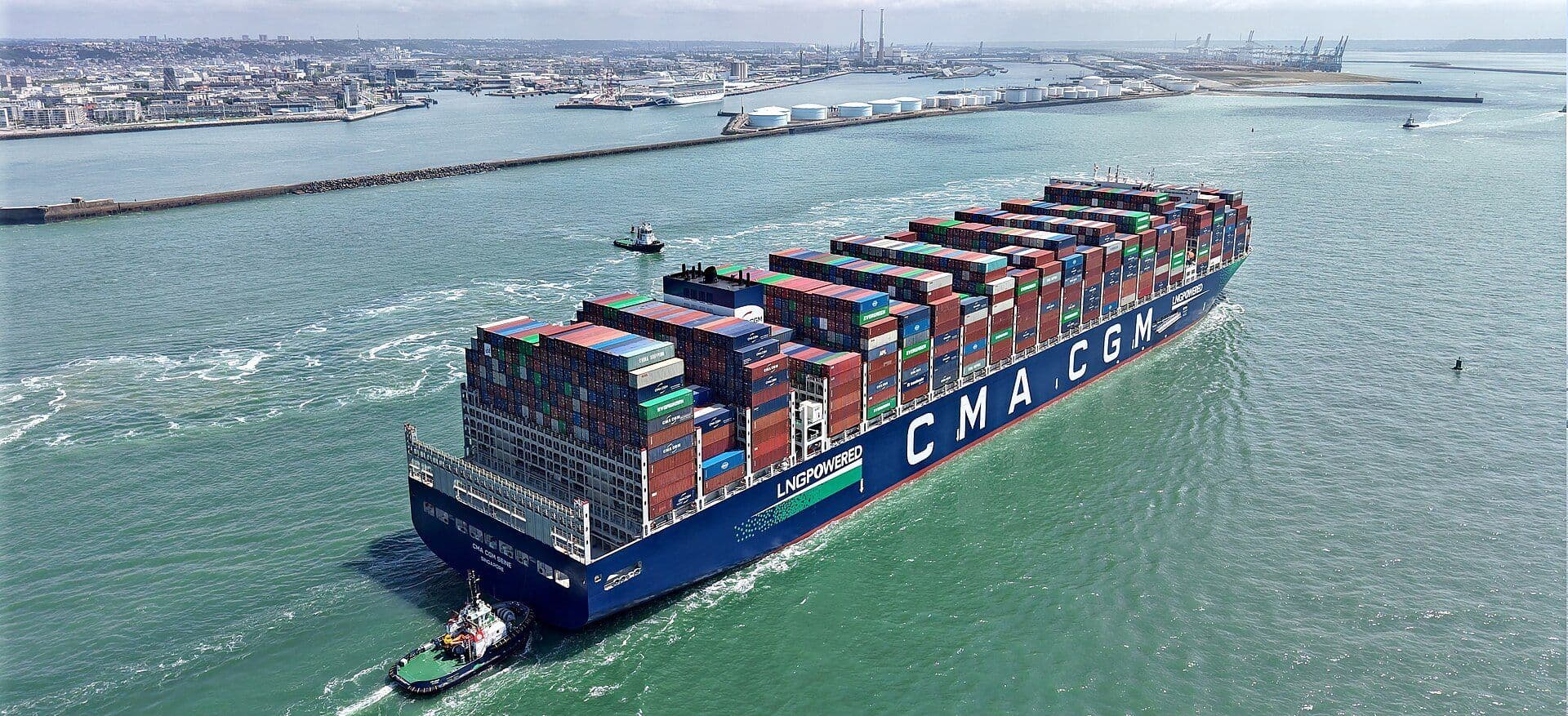
CHA agent at Nhava Sheva (JNPT): a guide for exporters using India's largest container port
A CHA (Customs House Agent) at Nhava Sheva (JNPT) files your shipping bill on ICEGATE, coordinates customs examination and obtains the Let Export Order that allows your container to load. This guide explains the process, what good CHA service looks like at JNPT and what exporters should prepare.
Quick answer
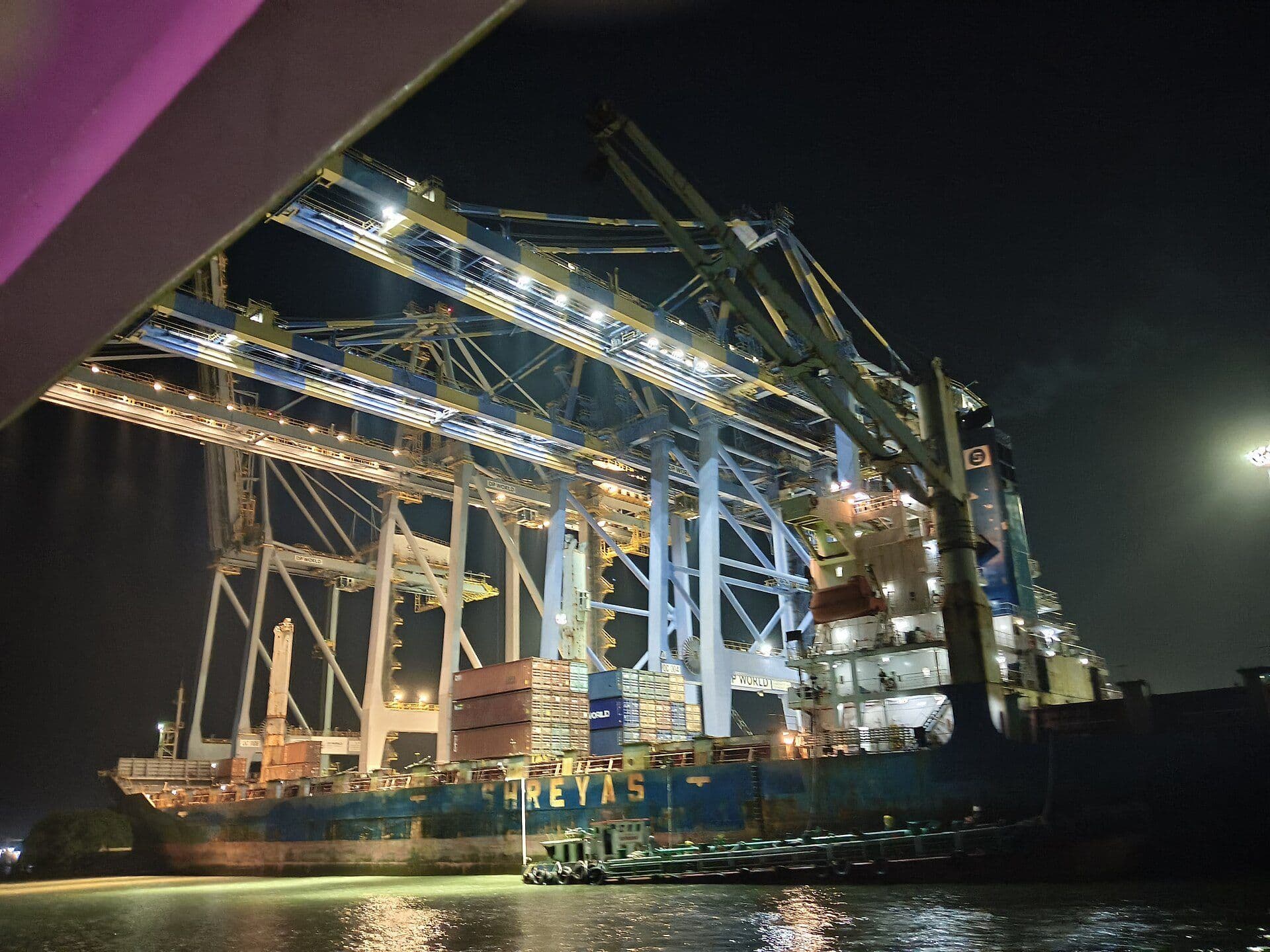
A CHA at Nhava Sheva (JNPT) files the exporter's shipping bill on ICEGATE, the Indian customs IT portal; coordinates the customs examination of cargo where required; obtains the Let Export Order (LEO) from JNPT customs; and coordinates phytosanitary inspection by the Plant Quarantine Department for agricultural exports. JNPT processes thousands of shipping bills daily — having an experienced CHA with established relationships at the port's customs zone, Container Freight Station (CFS) and examination teams significantly reduces processing time and the risk of delays.
What does a CHA do at Nhava Sheva for an agricultural exporter?
- Files the shipping bill on ICEGATE with correct HS code (e.g., 0901.11 for green coffee), value declaration and documentation
- Coordinates the customs examination and Let Export Order (LEO) — without LEO the container cannot be gated out of the CFS and loaded on the vessel
- Schedules phytosanitary inspection with the Plant Quarantine Department, Nhava Sheva — timing is critical relative to vessel cut-off
- Manages Coffee Board documentation for coffee exports (Certificate of Registration as Exporter, Shipping Advice)
- Liaises with the CFS (Container Freight Station) for LCL consolidation, FCL gate-out and stuffing
- Files duty drawback and RoDTEP claims after the shipment for eligible exporters
What to look for in a CHA at Nhava Sheva
- Commodity experience: a CHA who regularly handles coffee and agro commodity exports knows the Plant Quarantine schedule and Coffee Board requirements — these cannot be learned on the job without costly delays
- ICEGATE responsiveness: shipping bills should be filed within hours of receiving documents, not the next day — JNPT's vessel cut-offs are strict
- Transparent fee structure: CHA fees should be itemised (filing fee, examination attendance, phytosanitary coordination) rather than a single opaque charge
- Drawback expertise: duty drawback and RoDTEP recoveries are significant for agro exporters — a good CHA maximises these claims
Frequently asked questions
What is the typical vessel cut-off at Nhava Sheva?
JNPT vessel cut-offs vary by carrier and terminal but are typically 48–72 hours before the vessel's estimated time of departure (ETD). For agro commodity shipments requiring phytosanitary inspection, Versa Logistics advises completing the inspection at least 72–96 hours before ETD to leave buffer for amendments or re-inspection if required.
What is the difference between a CHA and a shipping agent at Nhava Sheva?
A CHA handles customs documentation — shipping bill, LEO, examination coordination. A shipping agent (or freight forwarder) handles the carrier-side — container booking, bill of lading, container tracking. Many logistics companies including Versa Logistics provide both services, so exporters have one point of contact for both customs and freight.