
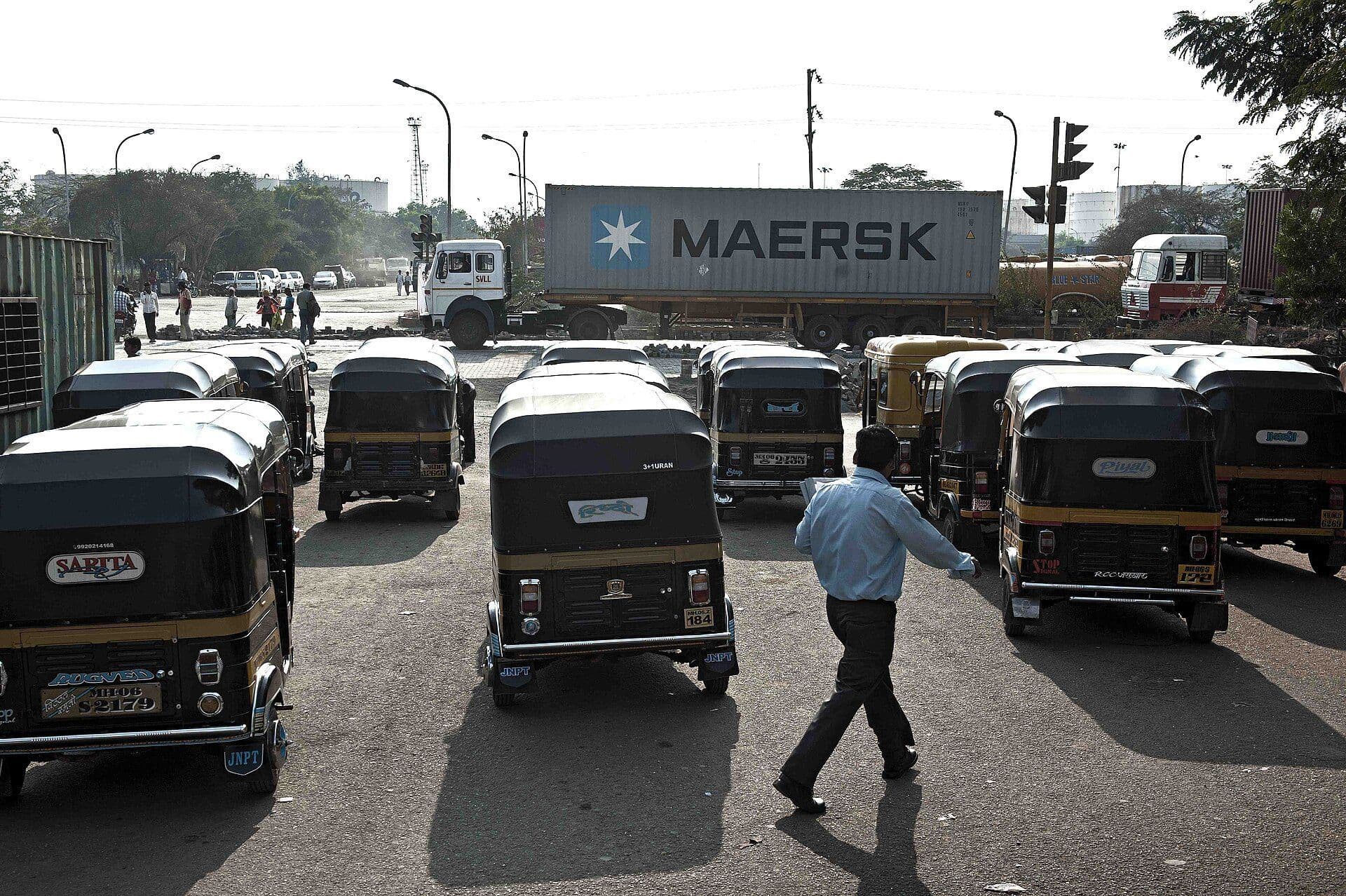
Container stuffing happens either at the exporter's premises (factory stuffing) or at a container freight station. Either way, the same rules apply: a clean, dry, sound box; cargo that is ready and dry; and loading that keeps the weight balanced and the goods off the walls and floor.
What do you check before a container is loaded?
Every empty container is inspected before a single bag goes in:
- Light test for holes in the roof and walls
- Dry, clean floor without stains or residue
- No odour that could taint food cargo
- Doors, gaskets and locking bars in working order
- CSC plate and container number matching the booking
How should bagged coffee and spices be loaded?
Bags are stacked on kraft paper or dunnage, away from the container walls, with the weight spread evenly along the floor. Liners and desiccant strips reduce the risk of condensation on long, warm voyages. We never load in rain, and we tally bag counts against the packing list as the container fills.
What records do you share after stuffing?
You receive photographs of the empty container, loading in progress, the final load and the sealed doors, together with the container number, seal number and bag count — evidence that protects both shipper and buyer if a claim ever arises.
Container Stuffing & Loading: frequently asked questions
What is factory stuffing?
Factory stuffing means the empty container is brought to the exporter's premises, loaded there and sealed, then trucked to port — reducing handling compared with stuffing at a freight station.
Can you supervise stuffing for cargo you are not shipping?
Yes. Buyers and exporters can book loading supervision as a standalone service.
What is VGM and who declares it?
VGM is the verified gross mass of a packed container, which must be declared to the carrier before loading on the vessel. We coordinate weighment and the VGM declaration with the shipper.