Logistics · 5 min read
How to Prevent Container Rain When Shipping Coffee and Spices
The biggest threat to a coffee container is often the water that was already inside it.
Quick answer
Container rain is condensation that forms on the inside of a container roof as temperatures change during a voyage and then drips onto the cargo. Prevent it by shipping properly dried cargo, rejecting damp containers, lining the container with kraft paper or liners, adding desiccants and never loading in rain.
Why is coffee so vulnerable?
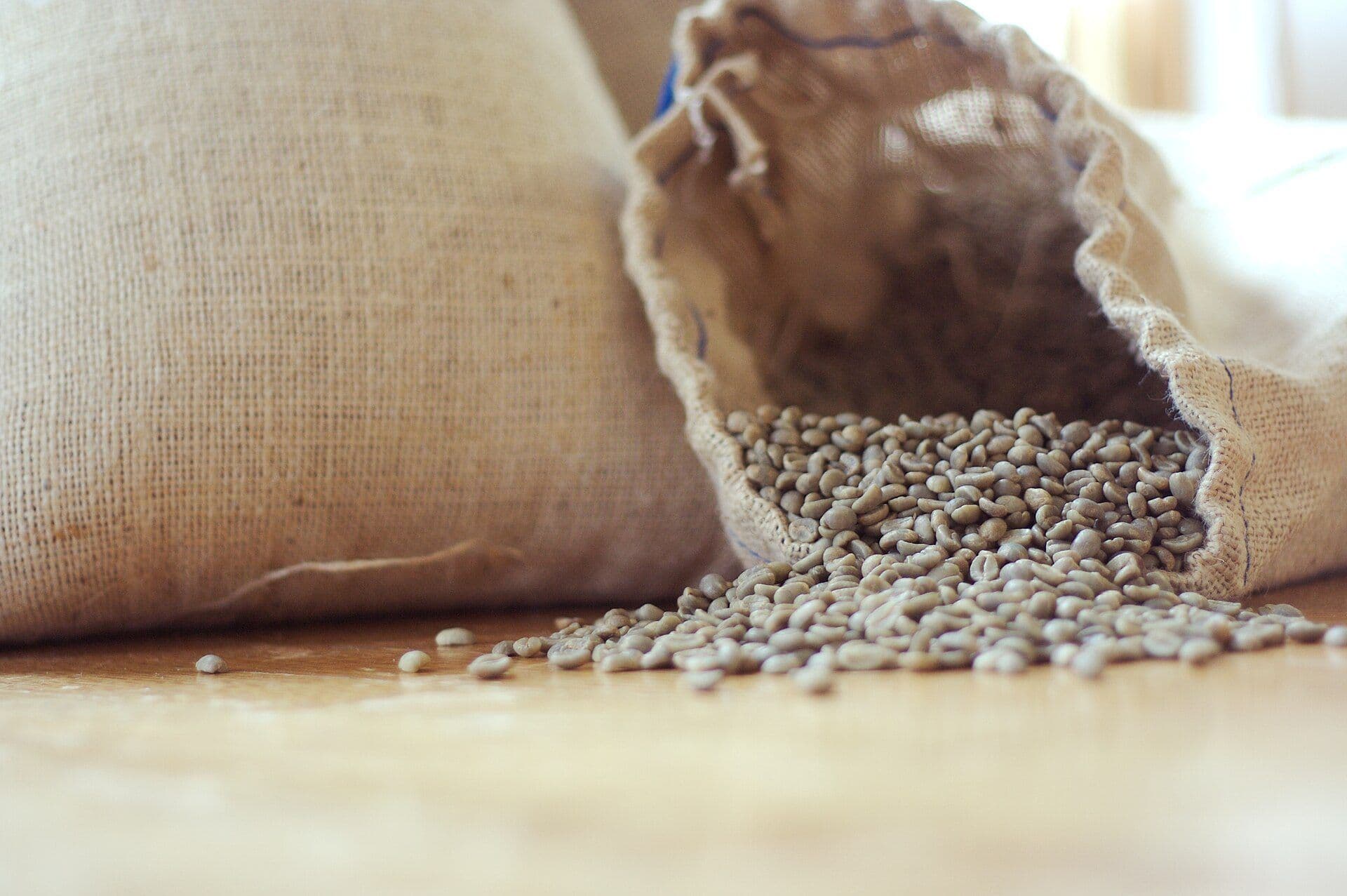
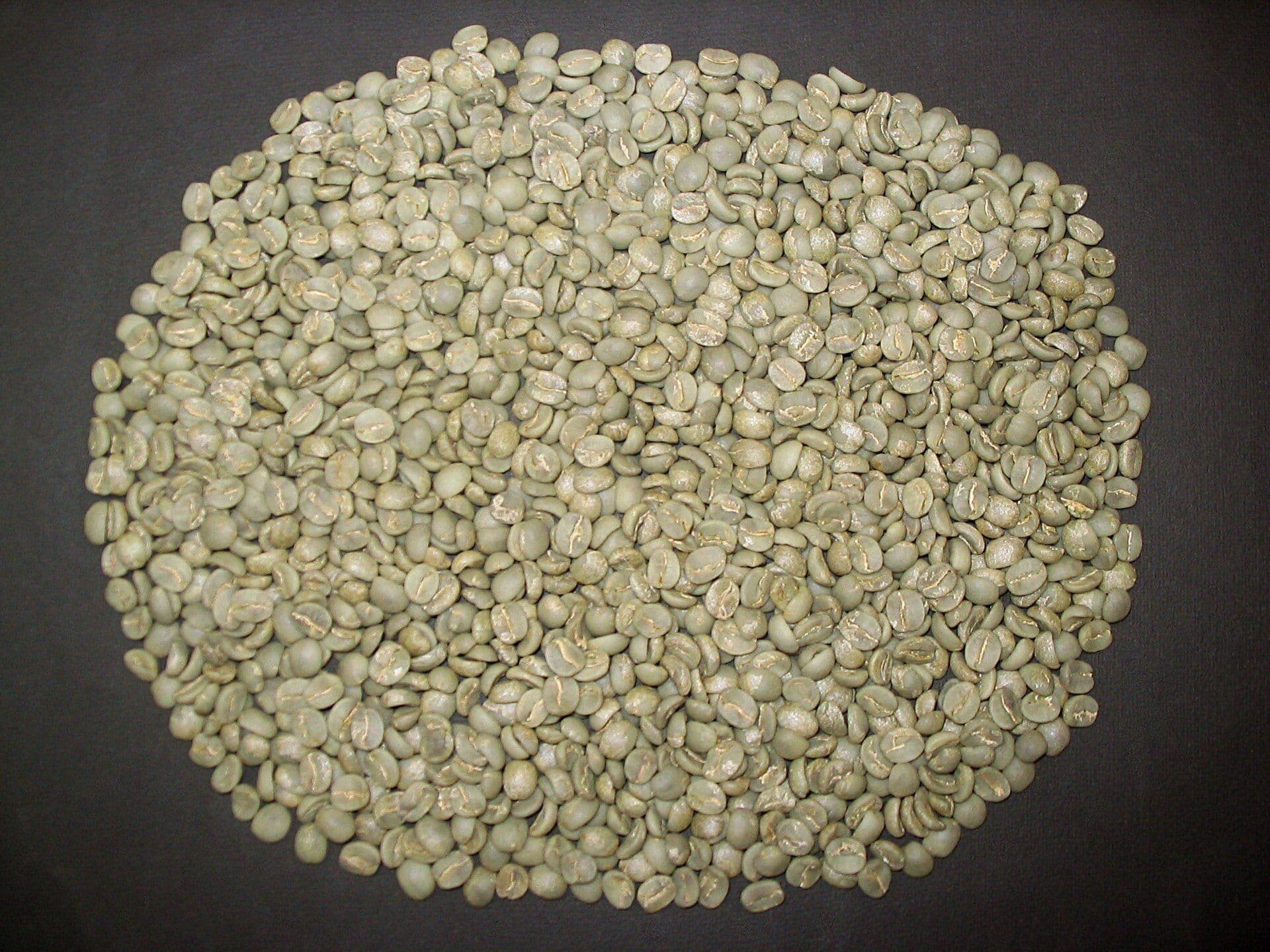
Green coffee is hygroscopic — it absorbs and releases moisture. Warm, humid air trapped at loading in Kerala can condense when the container cools, then wet the top layer of bags, leading to mould and quality claims.
A prevention checklist
- Dry cargo to the contracted moisture level before packing
- Inspect and reject containers with holes, damp floors or odours
- Line roof and walls with kraft paper or a container liner
- Add desiccant strips sized for the voyage length
- Keep bags off the floor and walls with dunnage
- Stuff under cover — never in the rain
Does voyage length matter?
Yes. Longer voyages and routes with large temperature swings increase risk. Short routes such as Kochi to the Gulf help, but the same precautions still apply.
Frequently asked questions
Are desiccants enough on their own?
No. Desiccants work best alongside dry cargo, a dry container and liners — they cannot compensate for wet cargo.