
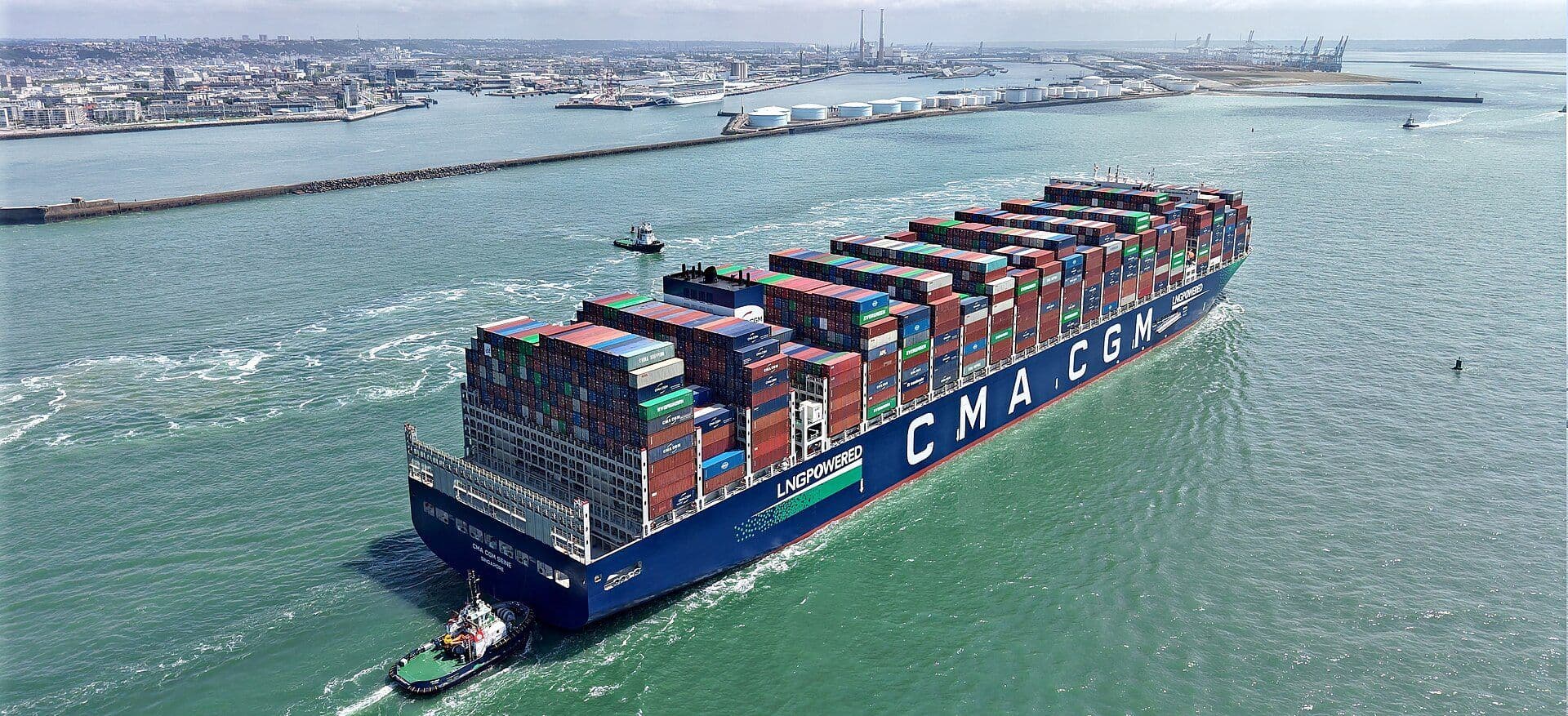
Sea freight is how most of the world's trade moves, and for India–Gulf cargo it is almost always the right answer on cost. The difference between a smooth shipment and an expensive one is rarely the ocean leg itself — it is the booking, the paperwork and the timing around it.
We book space, release empties, coordinate stuffing, align documents and track the vessel so the container arrives when your buyer expects it.
What is the difference between FCL and LCL?
FCL — full container load — means you pay for and use a whole 20ft or 40ft container. It is sealed at origin and opened only by your consignee, which makes it the safest and usually the cheapest option per tonne once you have enough cargo to fill most of a box.
LCL — less than container load — means your cargo shares a container with other shippers' goods and you pay by volume. It suits smaller trial orders and samples, but involves extra handling at consolidation and deconsolidation warehouses and usually takes longer.
Should I ship a 20ft or a 40ft container?
A 40ft container has about twice the volume of a 20ft but not twice the weight allowance, so the choice depends on whether your cargo is heavy or bulky. Dense cargo like green coffee often reaches its weight limit before it fills the space; lighter, bulkier cargo fills a 40ft far more economically.
We check your packing, the carrier's weight limits and road-weight rules at origin and destination before recommending a container size.
What is included in a Versa Logistics sea freight quote?
Every quote is itemised so there are no surprises when the invoice arrives. A typical door-to-port quote includes:
- Ocean freight and applicable carrier surcharges
- Origin terminal handling and documentation charges
- Container haulage from your premises to the port
- Bill of lading issuance and shipment tracking
- Optional services: fumigation, insurance and certificate coordination
How do you keep cargo safe on the ocean leg?
For moisture-sensitive cargo such as coffee and spices we inspect containers before loading, use container liners and desiccants where appropriate, and plan stuffing so cargo is not exposed to rain or ground moisture. For every shipment we record seal numbers and share loading photographs with the shipper.
Which cargo types can you ship by sea from India?
We book sea freight for cargo including:
- Green coffee beans, cardamom, black pepper and other spices
- Rice, pulses, tea and packaged food products
- Coir, rubber and natural-fibre products from Kerala
- Building materials, tiles and hardware
- Machinery, spare parts and general cargo
Sea Freight (FCL & LCL): frequently asked questions
What is the minimum cargo for sea freight?
There is no strict minimum for LCL — you can ship even a single pallet. For FCL, you pay for the whole container, so it becomes economical once your cargo fills a large share of a 20ft or 40ft box.
Do you offer door-to-door sea freight?
We handle origin pickup, haulage, export documentation and ocean freight, and coordinate with the consignee's clearing agent at destination for delivery.
Can I track my container?
Yes. We share the bill of lading and container number, and update you at key milestones: gate-in, loading, sailing, transhipment if any, and arrival.
Which carriers do you work with?
We book with the main-line and regional carriers that serve the India–Gulf trade, choosing by schedule reliability, transit time and rate for each shipment.
Guides on sea freight (fcl & lcl)
- FCL vs LCL: Which Sea Freight Option Is Right for Your Export?Part load or full box? The answer is mostly arithmetic — plus a few things the arithmetic misses.
- 20ft vs 40ft Container: Which Size for Coffee, Pepper or Cardamom?A 40ft container has twice the space of a 20ft — but not twice the weight allowance. That changes everything for dense cargo.
- Shipping from India to Saudi Arabia: Ports, Documents and TransitTwo coasts, two main ports — pick the one closest to your buyer.