Logistics · 5 min
Sea freight from India to Europe in 2026: transit to Hamburg, Rotterdam and Antwerp for coffee exporters
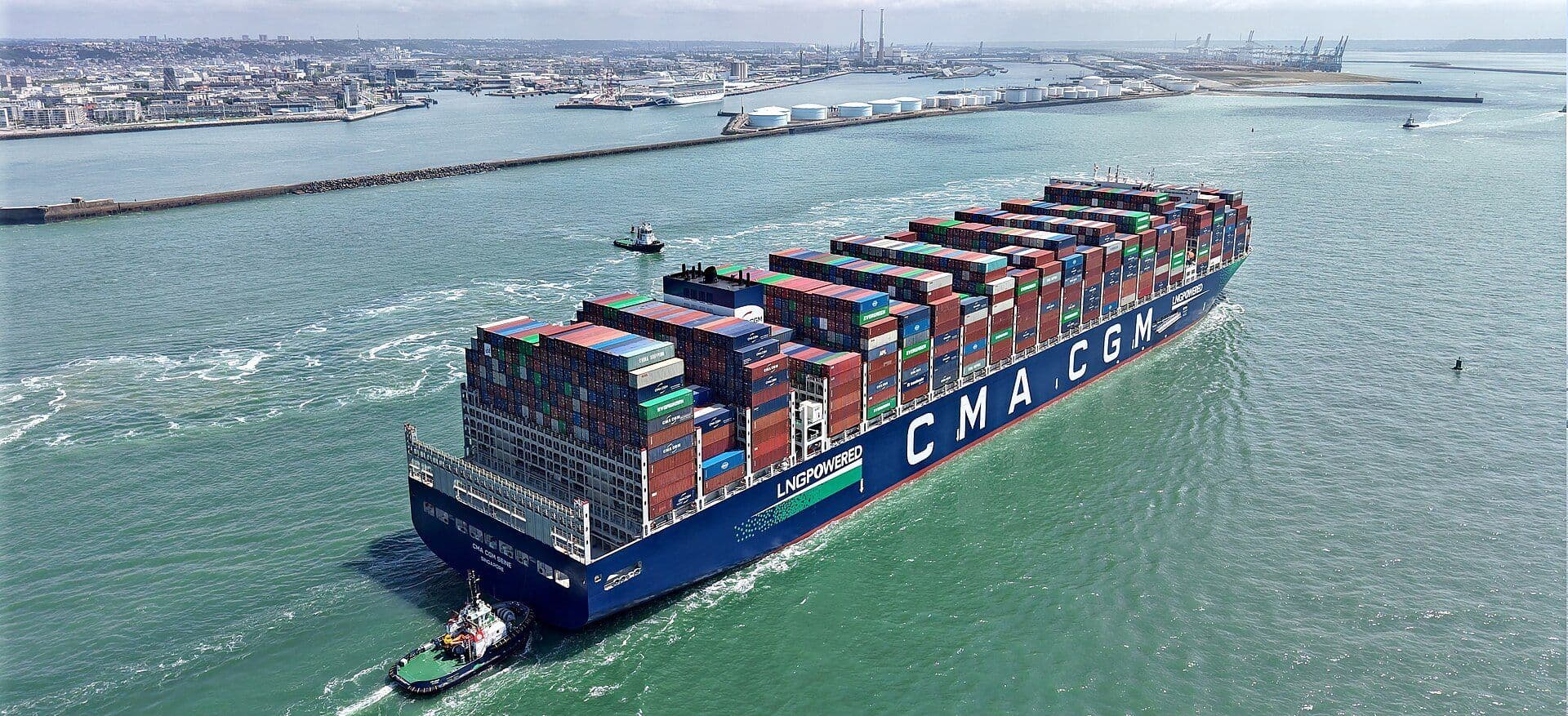
Sea freight from India to Northern European ports (Hamburg, Rotterdam, Antwerp) takes 20–25 days via the Suez Canal. This guide covers transit times, routing, Suez disruption risk, EUDR documentation requirements and what Indian coffee and spice exporters need to prepare for EU shipments.
Quick answer
Sea freight from Kochi to Hamburg, Rotterdam or Antwerp takes approximately 20–25 days via the Suez Canal and North Sea. From Nhava Sheva (Mumbai), transit is 19–23 days. Services are served by major carriers (MSC, Maersk, CMA-CGM, Hapag-Lloyd) on weekly or bi-weekly frequencies. For Indian coffee and agro commodity exports to the EU, EUDR due-diligence documentation is mandatory from 30 December 2025 — Versa International Traders provides the full EUDR pack with every EU-bound shipment.
India to Europe sea freight: transit times
- Kochi → Hamburg: 20–24 days via Suez and North Sea
- Kochi → Rotterdam (Maasvlakte): 20–24 days
- Kochi → Antwerp: 21–25 days
- Kochi → Trieste or Genoa (Italy, via Suez): 18–22 days — often the fastest route for North Italy
- Nhava Sheva (Mumbai) → Hamburg/Rotterdam: 19–23 days
- Nhava Sheva → Antwerp: 20–24 days
Suez Canal routing and risk management
The India–Northern Europe trade route runs through the Suez Canal — a critical chokepoint that has experienced disruption in recent years (Red Sea security incidents in 2024 diverted services around the Cape of Good Hope, adding 10–14 days to transit). As of late 2026, most major carriers have returned to Suez routing for the India–Europe trade, but buyers and exporters should factor Suez disruption risk into their lead time planning for time-sensitive shipments.
Versa Logistics monitors carrier routings and advises clients when Cape of Good Hope diversions are active, to adjust expected delivery windows accordingly.
EUDR documentation for Indian coffee entering the EU
From 30 December 2025, all coffee entering the EU must be accompanied by an EUDR due-diligence statement submitted to the TRACES portal by the first EU operator. The statement requires: GPS geolocation coordinates for each production plot, satellite evidence of no deforestation after 31 December 2020, and country-of-origin documentation.
Versa International Traders prepares the full EUDR documentation pack for all EU-bound shipments: plot geolocation data, Sentinel-2 satellite forest-cover evidence and Rainforest Alliance transaction certificates for RA-certified lots. This is provided at the point of offer — no additional steps required from the EU importer to obtain the raw data.
Frequently asked questions
What is the fastest route from India to Germany for coffee?
The fastest route is typically Kochi or Nhava Sheva → Suez Canal → Hamburg, taking 20–24 days on a direct-calling service. For South Germany and Austria, routing via Trieste or Genoa can be faster — 18–22 days from Kochi. Versa Logistics advises on the optimal routing for your destination city.
Is Italian-origin Suez disruption still a risk for India-Europe shipments in 2026?
Red Sea/Suez disruptions peaked in 2024, when most carriers diverted via the Cape of Good Hope, adding 10–14 days to India–Europe transit. By late 2026 most major carriers have resumed Suez routing. However, Suez disruption risk persists — buyers are advised to build a 10–14 day buffer into lead time planning for EU-bound shipments and to confirm routing with Versa Logistics at time of booking.