Trade · 5 min read
Desiccated Coconut Buyer's Guide: Grades, Fat Content, Moisture and Packing
Fine or medium, high fat or low fat — the specification decides how desiccated coconut performs in your product.
Quick answer
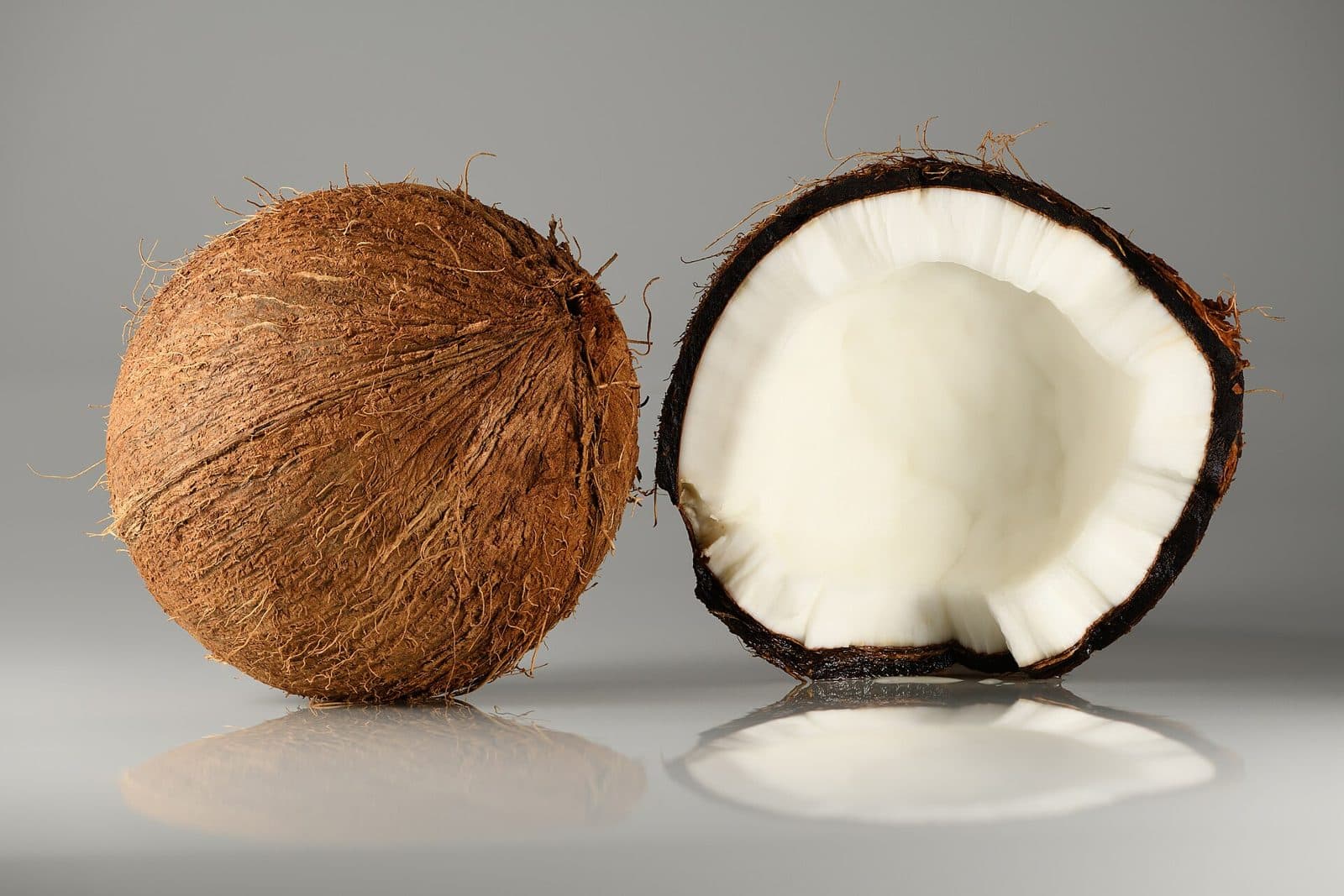
Desiccated coconut is dried, grated coconut kernel. Buyers specify the cut (fine, medium or coarse granules, or flakes and chips), the fat type (high-fat, typically around 60% fat or more, or low-fat), a low moisture limit (commonly around 3% maximum), colour, free fatty acid limit, microbiological standards and packing — usually multi-wall paper bags with a polythene liner.
Which cuts are available?
- Fine — for biscuits, fillings and confectionery
- Medium — the most common general-purpose grade
- Coarse — for toppings and texture
- Flakes and chips — for cereals, snacks and decoration
High-fat or low-fat?
High-fat desiccated coconut keeps the natural coconut oil and gives full flavour. Low-fat (reduced-fat) types have had part of the oil removed and are used where a drier, lighter ingredient is wanted.
What should the contract specify?
- Cut and particle size
- Fat content range
- Maximum moisture
- Colour — white, free from brown specks
- Free fatty acid limit
- Microbiological standards
- Packing and shelf life
Frequently asked questions
Where does Indian desiccated coconut come from?
Mainly from processors in Kerala, Tamil Nadu and Karnataka, India's main coconut-growing states.