Trade · 6 min
Exporting Indian new crop green coffee to Germany in 2026: EUDR, Hamburg routing and how to find buyers
Germany is the largest green coffee market in Europe — importing over 1.4 million MT per year. Hamburg handles the majority of this. Indian new crop Arabica (Plantation AA, MNEB) and Robusta (Parchment AB) are well-established in the German market. With EUDR in force from 30 December 2025, documentation requirements have increased but compliant Indian exporters have a competitive advantage.
Quick answer
To export Indian new crop green coffee to Germany in 2026: (1) prepare EUDR due-diligence documentation — GPS coordinates, land records, risk assessment and due-diligence statement submitted before clearance at Hamburg; (2) ship FCL from Kochi or Nhava Sheva — 24–26 days to Hamburg via Suez; (3) supply standard Coffee Board, phytosanitary and certificate of origin documentation; (4) contact German coffee importers and specialty roasters directly, or export through Versa International Traders who handles the full supply chain. Contact +91 97464 33133.
Germany's green coffee import market: what Indian exporters should know
- Germany imports approximately 1.4 million MT of green coffee per year — the most in Europe
- Hamburg is the trading and storage hub: Neumann Kaffee Gruppe, the world's largest green coffee trader, is based here; major brokers and warehousers operate at Hamburger Hafen
- German coffee culture: Germany has both a large commercial market (Tchibo, Melitta, Dallmayr, Jacobs) and a world-class specialty scene (Hamburg, Berlin, Munich, Cologne)
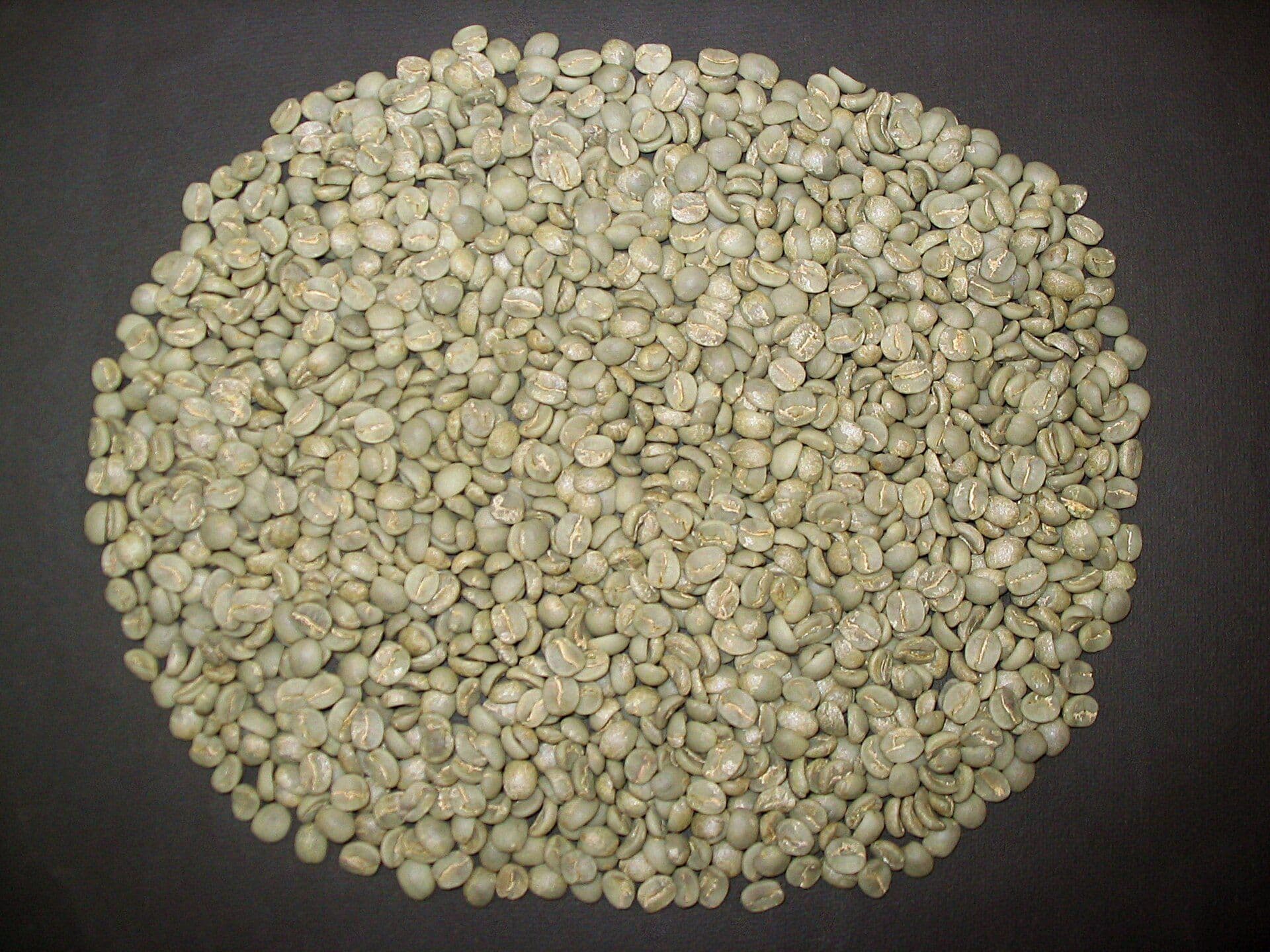
- What they buy from India: Robusta Parchment AB (commercial espresso blends), Arabica Plantation AA/AB (specialty and blending), MNEB (specialty single-origin), Monsooned Malabar AA (niche espresso)
- German buyers are thorough: expect detailed quality contracts, pre-shipment inspection and strict specification adherence
EUDR compliance: what Indian exporters must provide for Germany
- GPS polygon coordinates for each farm plot supplying the export lot — to estate level, not just district level
- Evidence that the plots were not established on deforested land after 31 December 2020
- Evidence of legal land use and compliance with Indian environmental, land rights and labour laws
- Due-diligence statement uploaded to the EU EUDR information system before the vessel arrives at Hamburg
- Risk assessment for your Indian supply chain
- Versa International Traders prepares all EUDR documentation for Germany-bound lots — this is not optional for EU entry from 30 December 2025
Air cargo option for new crop samples to German roasters
- German specialty roasters typically request 1–2 kg samples before committing to a container
- Air cargo from Bangalore (BLR) or Kochi (COK) to Frankfurt (FRA) takes 2–3 business days
- Versa Logistics handles airside CHA at the Indian airport, phytosanitary certificate and air waybill for sample shipments
- EUDR documentation is also required for samples entering Germany — the due-diligence process is the same regardless of quantity
- Cost: air cargo samples are typically EUR 50–150 for a 2 kg sample; Versa International Traders often absorbs sample and shipping cost for qualified buyers
Frequently asked questions
How do I find German coffee roasters to buy Indian new crop coffee?
Direct outreach to German roasters (via their websites or trade shows like Internorga Hamburg, Anuga Cologne or World of Coffee) is one route. Another is to export through established green coffee traders in Hamburg who already supply German roasters — they buy FOB India and handle German distribution. Versa International Traders exports both directly to German roasters and to Hamburg-based traders. Contact +91 97464 33133.
Is Indian coffee competitive in Germany against Ethiopian, Colombian or Brazilian origins?
Indian coffee competes on a different profile — full body, low acidity, chocolate/spice notes — rather than Ethiopian brightness or Colombian sweetness. German espresso blenders specifically seek Indian Robusta Parchment and Arabica Cherry for body and crema in their blends. At the right price point, MNEB and Plantation AA are increasingly used by German specialty roasters as single-origin alternatives.