Trade · 6 min read
How to Evaluate Coffee and Spice Samples Before a Bulk Order
A sample is only useful if it represents the lot — and if you know what to measure.
Quick answer
Ask for a sample drawn from the actual lot, with the supplier's quality report. Test the same parameters yourself — moisture, size, density, defects and aroma for spices; moisture, screen size, defects and cup quality for coffee — and put the approved results into the contract so the shipment must match.
Why must the sample come from the actual lot?
A 'typical' sample tells you what a supplier can produce, not what you will receive. Insist on a sample drawn from the lot being offered, labelled with a lot reference that appears on the contract and shipping documents.
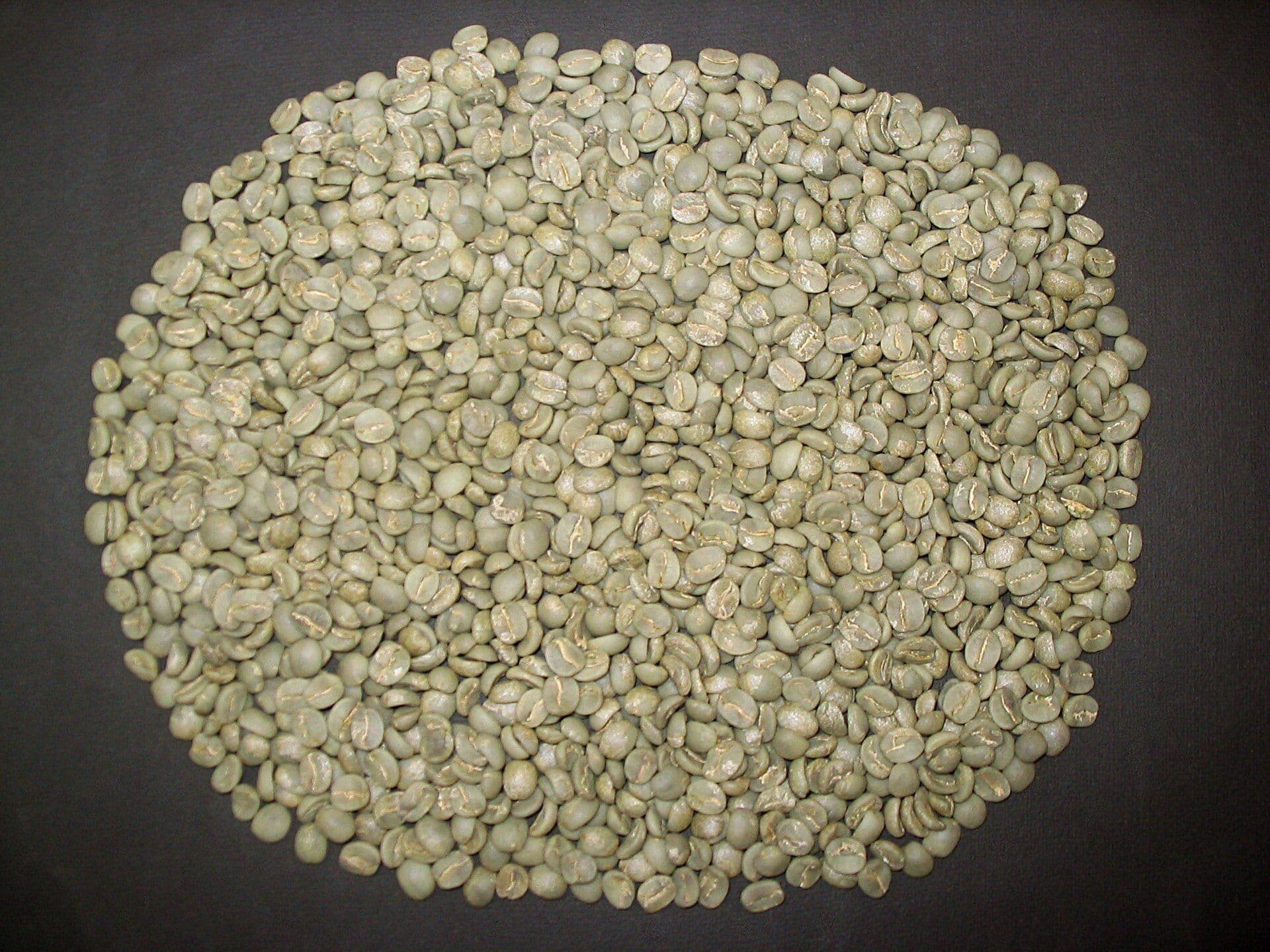
What should you measure in a coffee sample?
- Moisture content
- Screen size distribution
- Defect count per 300 g or 500 g
- Odour of the green beans
- Cup quality after a sample roast
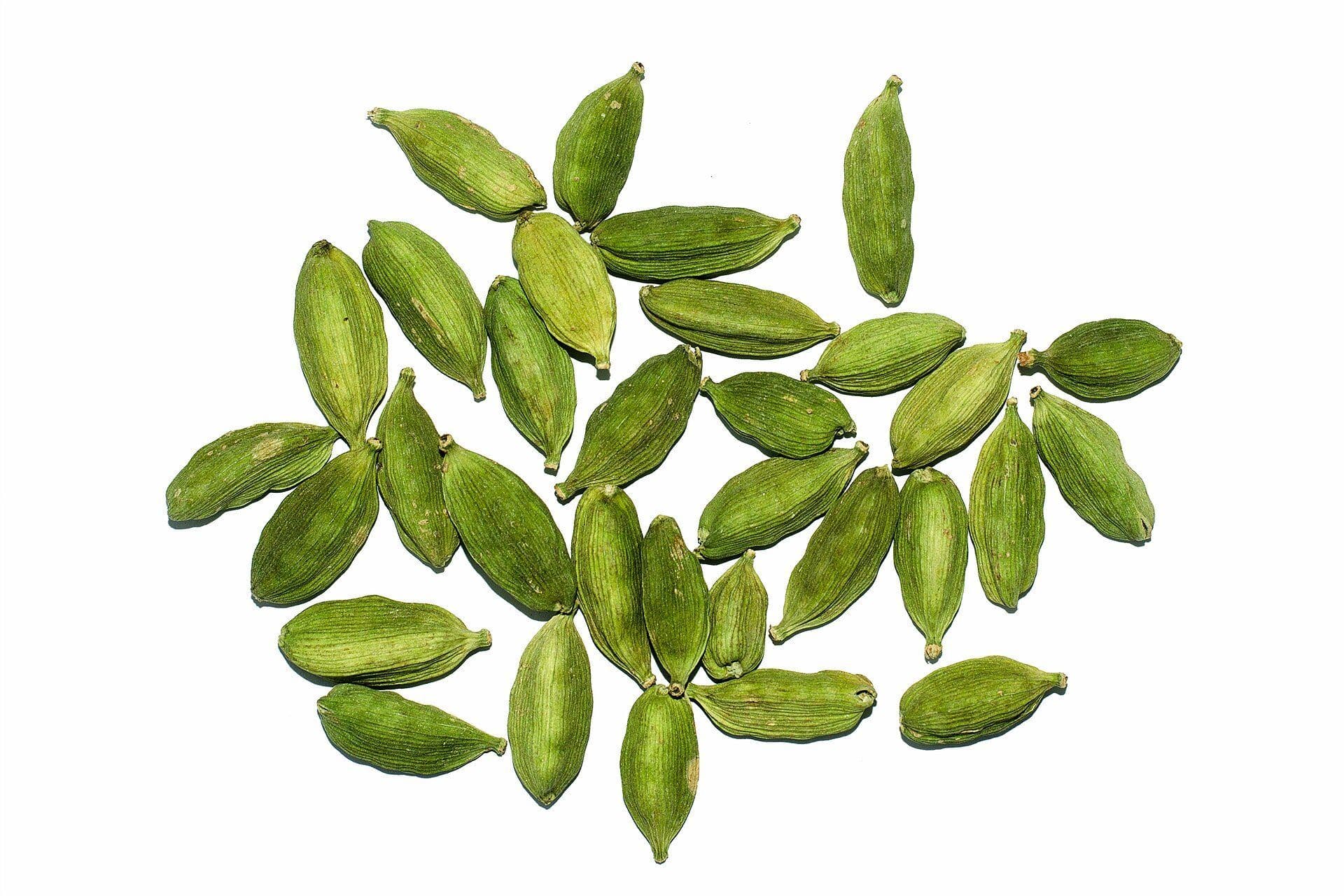
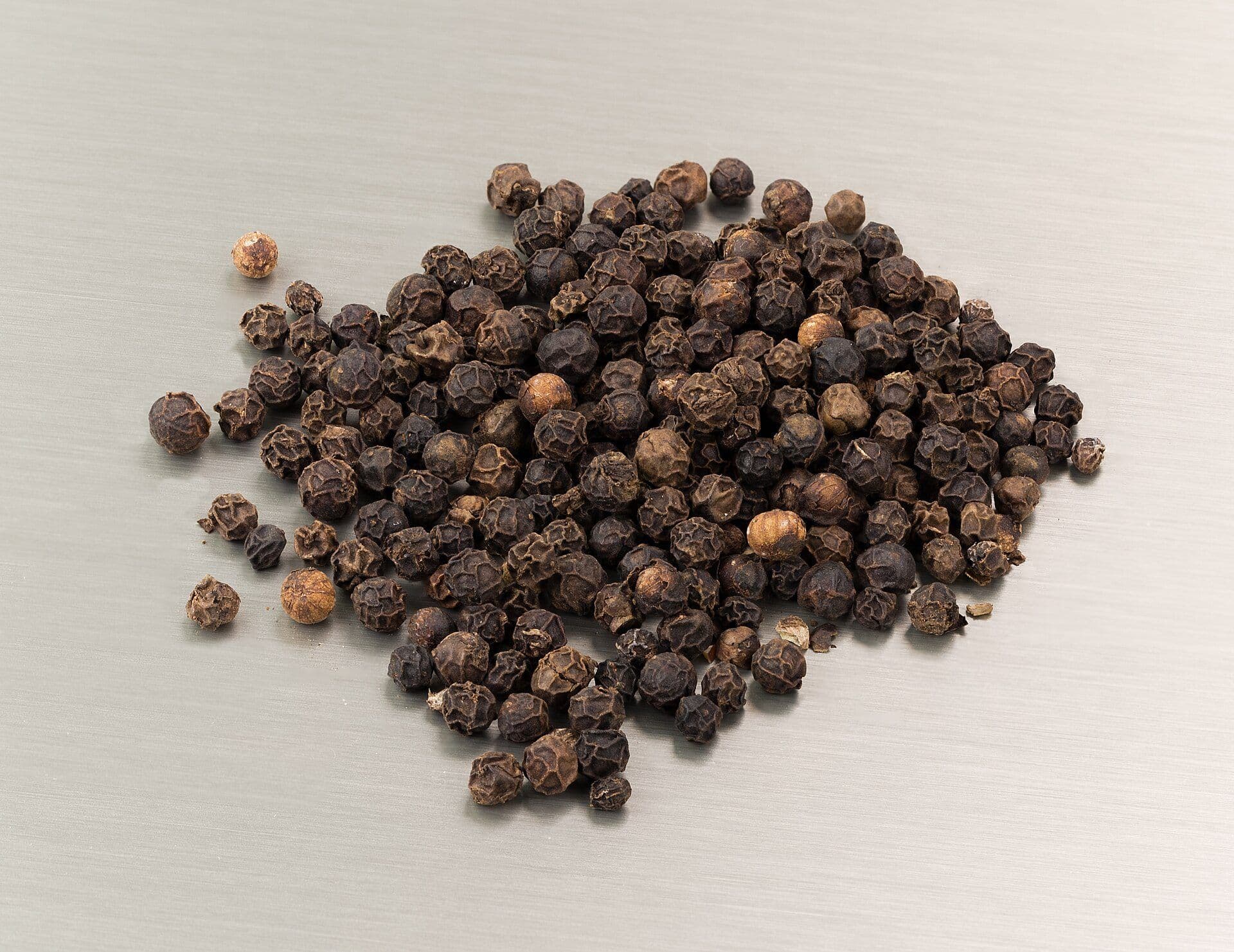
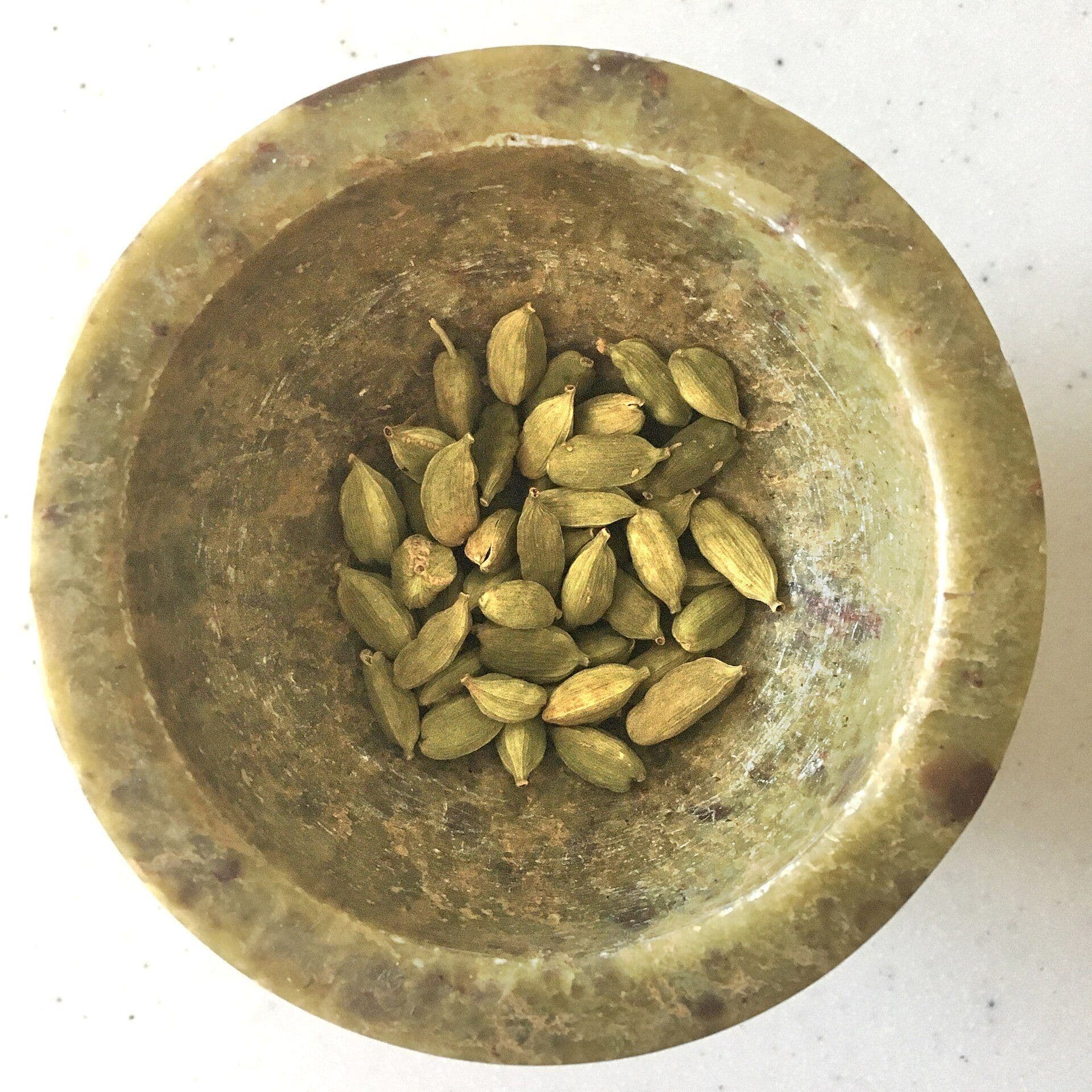
What should you measure in a spice sample?
- Size grade and uniformity
- Colour (cardamom) or bulk density (pepper)
- Moisture
- Extraneous matter and light or empty pods and berries
- Aroma and oil content where relevant
How do you make the sample binding?
Write the approved values into the contract as the specification, reference the sample, and agree how disputes will be resolved — for example by an independent lab or pre-shipment inspection.
Frequently asked questions
Should I pay for pre-shipment inspection?
For first orders and large containers, independent inspection is inexpensive insurance and is recommended.