Trade · 6 min read
Incoterms Explained for Coffee and Spice Trade: FOB vs CFR vs CIF
Three letters on a contract decide who pays for the ship, who insures the cargo and who carries the risk at sea.
Quick answer
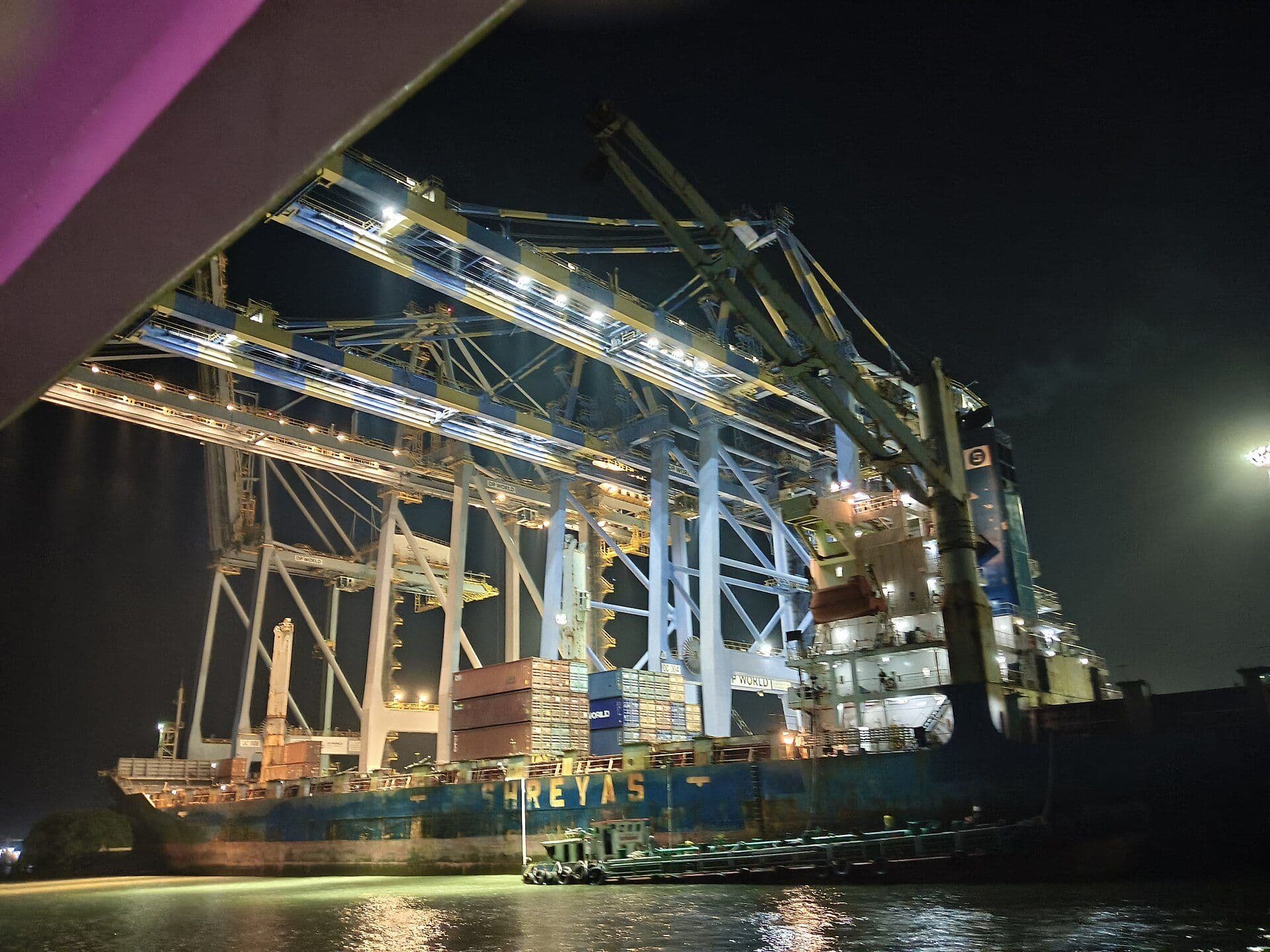
Under FOB the seller loads the goods on the vessel and the buyer pays ocean freight and insurance. Under CFR the seller also pays freight to the destination port, and under CIF the seller pays freight and insurance. In all three, risk passes to the buyer once the goods are loaded at the origin port.
What does FOB mean?
Free On Board: the seller clears the goods for export and delivers them loaded on the vessel nominated by the buyer at the origin port — for example FOB Kochi. The buyer books and pays the ocean freight, insures the cargo and handles everything at destination.
What does CFR mean?
Cost and Freight: the seller also books and pays ocean freight to the named destination port — for example CFR Jebel Ali. Risk still passes to the buyer at loading, so the buyer should insure the cargo.
What does CIF mean?
Cost, Insurance and Freight: as CFR, plus the seller buys minimum marine insurance for the buyer's benefit. Many buyers who want a delivered price with less administration choose CIF.
Which Incoterm should a buyer choose?
A simple rule of thumb:
- Choose FOB if you have a strong forwarder and want control of freight
- Choose CFR or CIF if you want one delivered price and your supplier has reliable logistics
- Always state the named port and the Incoterms version (e.g. Incoterms 2020) in the contract
Frequently asked questions
Which Incoterms does Versa Traders offer?
FOB Indian port as standard, and CFR or CIF to your destination port with freight handled by Versa Logistics.
Does CIF mean the seller is responsible if cargo is damaged at sea?
No. Under CIF, risk passes to the buyer once goods are loaded; the seller's insurance policy is for the buyer's benefit to claim against.