Trade · 6 min read
Indian Arabica Coffee Beans for UK and European Specialty Roasters
India grows more Arabica than most specialty roasters realise. Here is a profile of Indian Arabica grades — Plantation, Arabica Cherry, Monsooned Malabar — and what UK and European buyers need to know.
Quick answer
Indian Arabica for UK and European specialty roasters comes in three main forms: Plantation (washed Arabica, clean and mild), Arabica Cherry (natural, more fruit-forward), and Monsooned Malabar (monsoon-processed, aged, low-acid — a protected GI origin). All are available EUDR compliant with geolocation documentation and Rainforest Alliance certified on request. MOQ is 1 FCL from Versa International Traders in Kochi.
What is Indian Plantation Arabica?
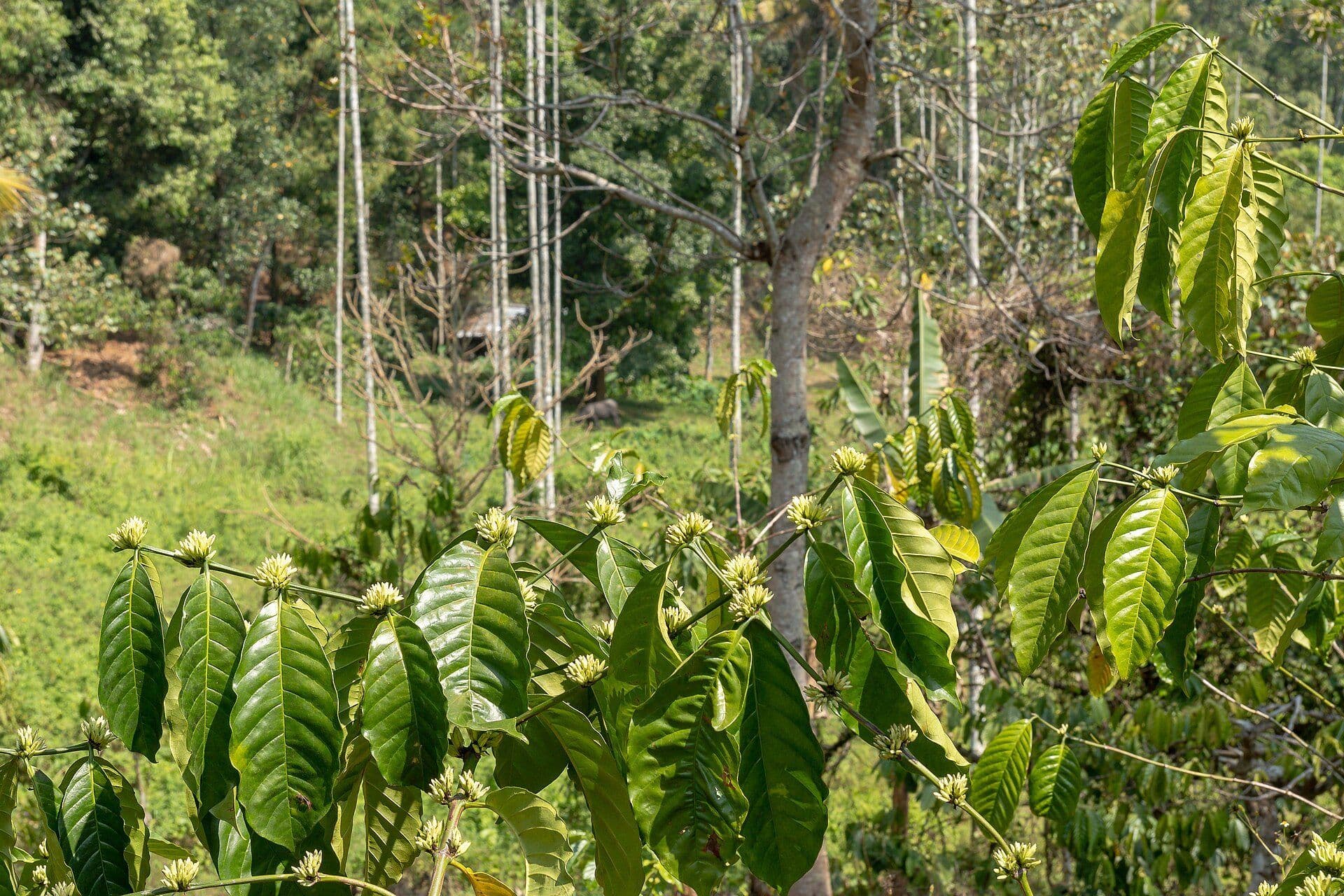
Plantation coffee in India refers to shade-grown Arabica processed using the washed method. The cherry is pulped, fermented, washed and then sun-dried on raised beds or patios. The result is a clean, mild cup — typically scores between 82–85 on the SCA scale for well-processed lots — with low acidity, medium body and notes of nuts, mild citrus or stone fruit depending on the estate and altitude.
Plantation A (screen 17/18) and Plantation AA (screen 18+) are the main specialty grades. Plantation PB (peaberry) is small in volume but often a distinct cup. UK roasters use Plantation Arabica as a daily drinker, a filter single origin, or a base for house espresso blends.
What is Arabica Cherry coffee from India?
Arabica Cherry is the natural-process equivalent of Plantation: the whole cherry is dried intact on raised beds or pavement, allowing the fruit sugars to ferment slowly and absorb into the bean. The result is a fuller body, lower acidity and a fruit-forward cup — often berry, stone fruit or chocolate notes — that scores higher on sweetness than washed Arabica from the same estate.
Arabica Cherry AB and AA grades from Karnataka's Coorg region are popular with UK specialty roasters building seasonal espresso offerings.
What is Monsooned Malabar coffee?
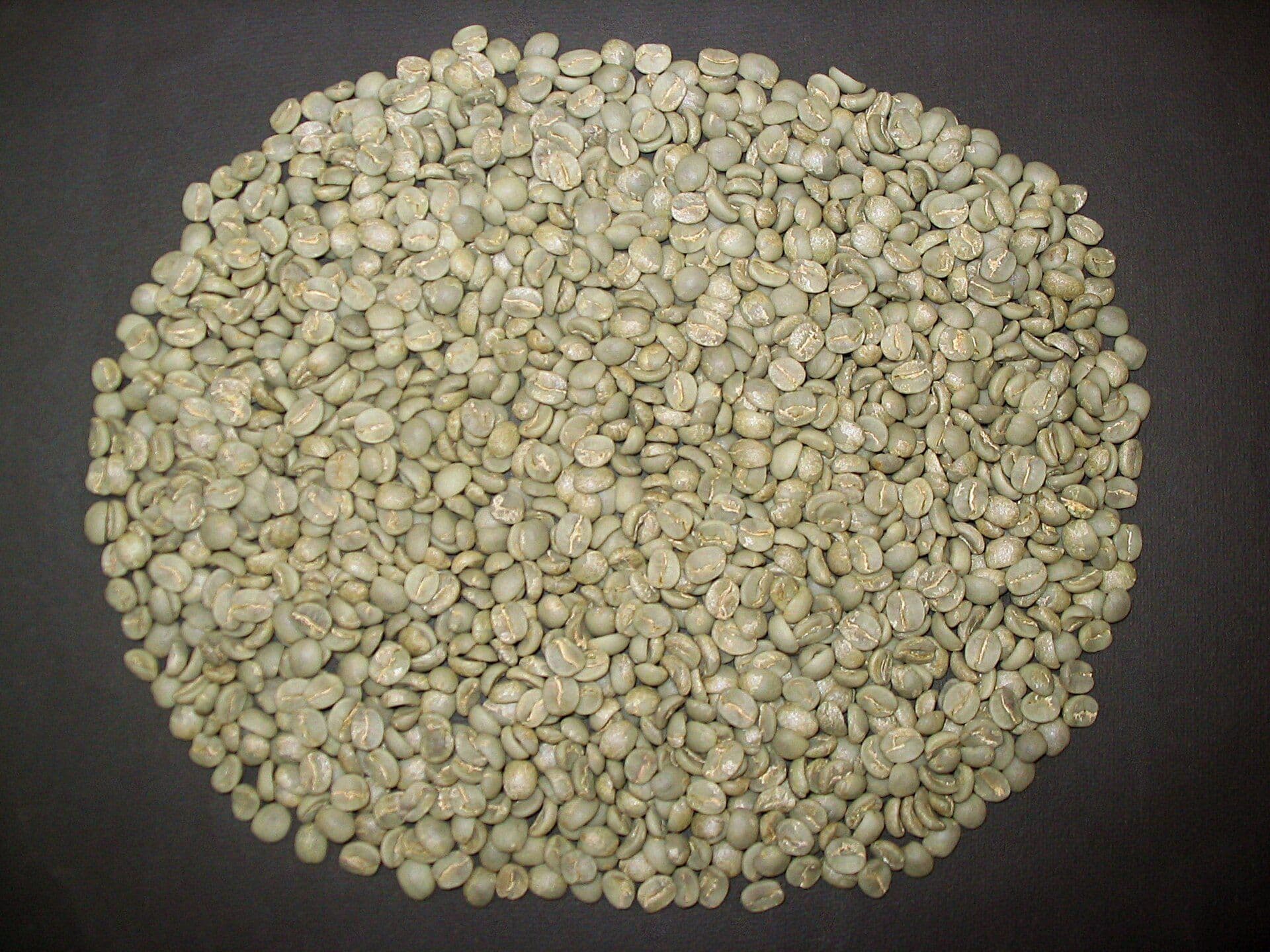
Monsooned Malabar is a protected geographical indication (GI) coffee produced on India's southwest (Malabar) Coast. Arabica or Robusta beans are exposed to the southwest monsoon wind in open warehouses for 12–16 weeks, absorbing moisture and swelling to nearly double their normal size. The result is a distinctive, aged character: very low acidity, heavy body, spicy and earthy notes, and a pale golden colour.
Monsooned Malabar AA is the most traded grade. It is used as a single origin by UK and European specialty roasters and as a body and crema component in espresso blends. The GI status makes it a verifiable, genuine Indian origin for menus and marketing.
Is Indian Arabica EUDR compliant?
Yes. Indian Arabica grown on Karnataka, Kerala and Tamil Nadu estates qualifies under EUDR as a standard-risk origin with verifiable geolocation and forest-cover evidence. Versa International Traders provides the full EUDR documentation package — GPS coordinates, forest-cover satellite evidence, curing works chain-of-custody record and (for RA certified lots) the Rainforest Alliance transaction certificate — for every EU-bound shipment.
Frequently asked questions
What Indian coffee grades are available to UK and European buyers?
UK and European specialty roasters typically buy Indian Plantation (washed Arabica) for clean filter and espresso bases, and Monsooned Malabar Arabica for its distinctive mellow, low-acid character. Indian Robusta — Robusta Cherry AB and Robusta Parchment — is used in espresso blends and commercial roasting. All grades are available in AA, A, AB and PB screen sizes. We match the grade and processing profile to your roast plan and provide a sample before you contract.
What is EUDR and does Indian coffee comply with it?
The EU Deforestation Regulation (EUDR) — Regulation (EU) 2023/1115 — requires that coffee placed on the EU market from 30 December 2025 onwards must come from land that has not been deforested after 31 December 2020, and operators must submit a due-diligence statement to the EU's TRACES system. Indian coffee qualifies because India's coffee-growing states — Karnataka, Kerala and Tamil Nadu — have verifiable forest cover data from before 2020, and Rainforest Alliance certified lots carry additional third-party chain-of-custody documentation. Versa International Traders provides EUDR-ready documentation — geolocation data for the farm or estate, forest-cover evidence and the Rainforest Alliance certificate — with every EU-bound shipment.
What does Rainforest Alliance certification mean for a green coffee lot?
Rainforest Alliance (RA) certification means the farm or estate was audited against the Rainforest Alliance Sustainable Agriculture Standard, which covers environmental criteria (forest protection, biodiversity, soil and water), social criteria (worker welfare, wages, housing) and economic criteria (farm management, record-keeping, traceability). For buyers, RA certification supplies the third-party audit trail needed for EUDR due-diligence statements in the EU, corporate sustainability commitments, and retailer specifications in the UK and USA. Versa International Traders supplies RA-certified lots on request, with a valid Rainforest Alliance transaction certificate for each shipment.