Trade · 5 min
Monsooned Malabar coffee from India: what buyers and roasters need to know
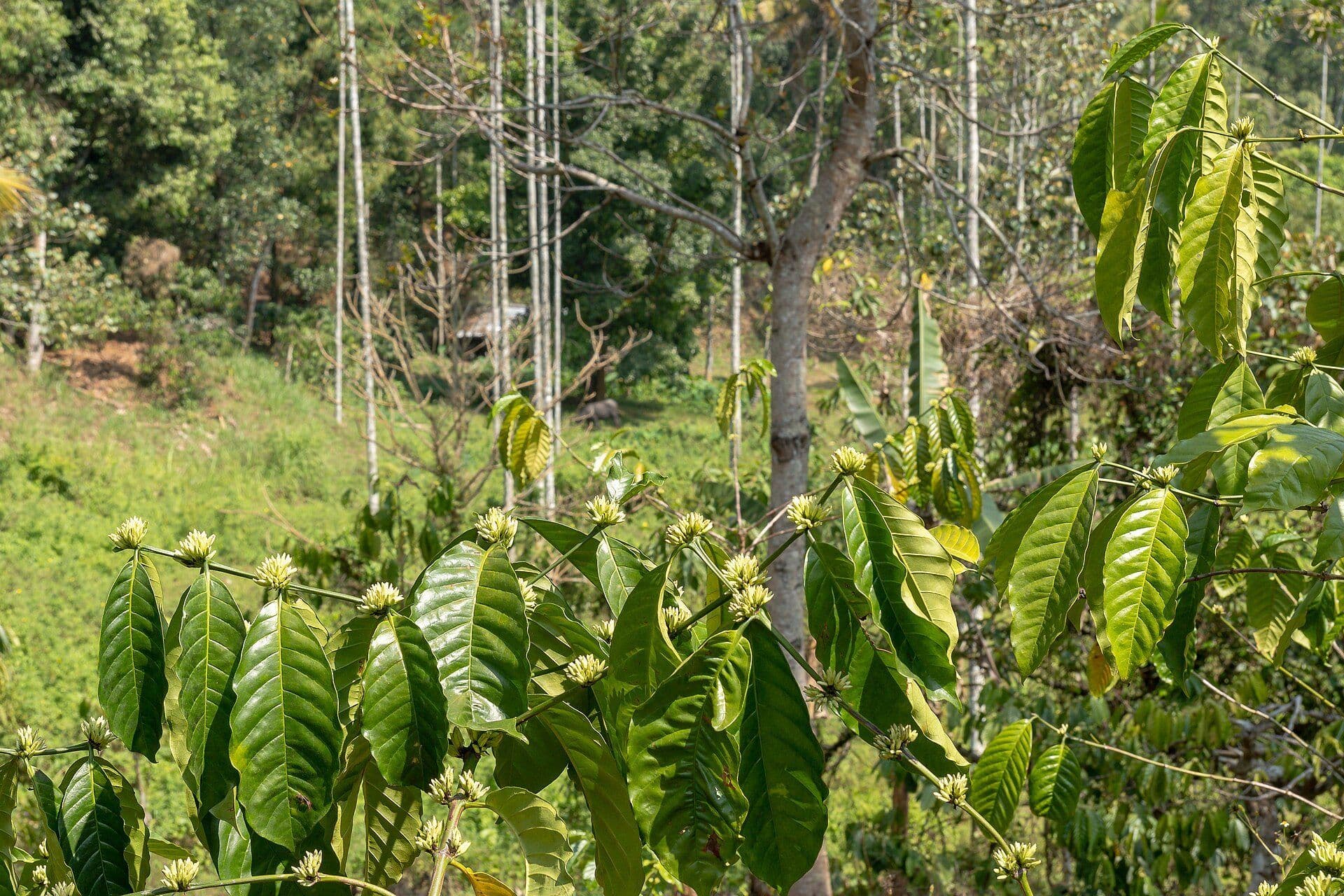
Monsooned Malabar is one of the world's most distinctive coffees — a GI (Geographical Indication) product of India's Malabar Coast in which dried green coffee beans are deliberately exposed to the monsoon winds, swelling, turning pale yellow and developing an intensely earthy, low-acid, heavy-bodied character unlike any other origin. This guide covers what it is, who uses it and how to order.
Quick answer
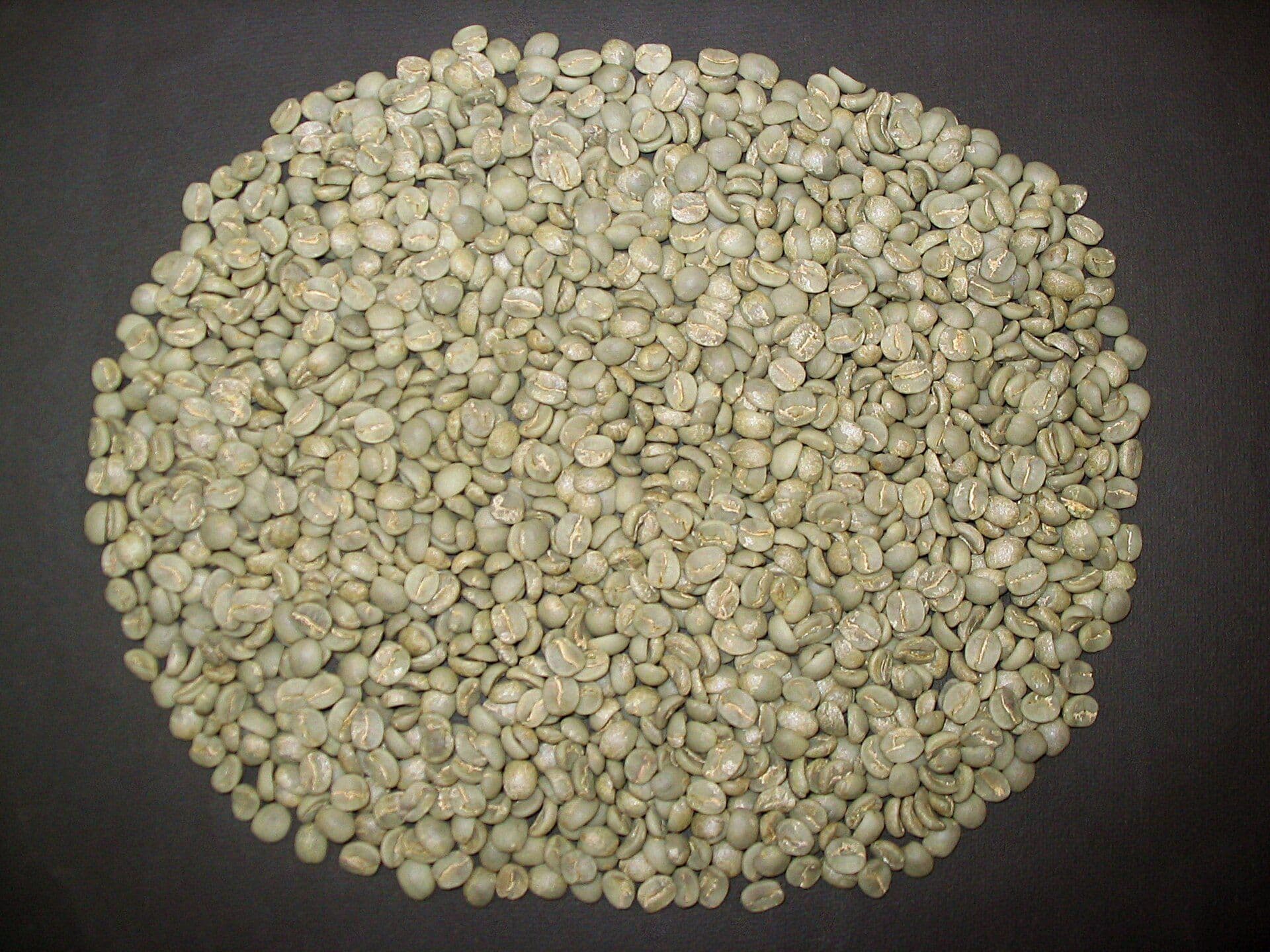
Monsooned Malabar is an Indian GI-protected coffee made by exposing dried green coffee beans (from Karnataka and Kerala) to the humid monsoon winds of the Malabar Coast during the June–September monsoon season. The beans absorb moisture, swell to roughly double their normal size, turn pale golden-yellow, and lose most of their acidity. The result is a unique cup: very heavy body, earthy, musty, low acidity, long finish — used in Italian espresso blends, Arabic coffee preparations and specialty offerings. Available as Monsooned Malabar AA and AB grades.
What is Monsooned Malabar and how is it made?
After the coffee harvest (October–February), selected lots of Robusta or Arabica beans — usually from the previous crop year — are stored in open-sided warehouses on the Malabar Coast during the June–September monsoon season. The humid monsoon winds blow through the beans, raising their moisture content from around 11% to 16–17%. The beans swell, turn pale golden-yellow and develop the characteristic earthy, musty, low-acid profile.
After monsoon exposure, the beans are dried back to export moisture (below 13%), cleaned, graded (AA: bold; AB: standard commercial) and packed for export. The process takes 3–4 months. It is a legally Geographical Indication-protected process — Monsooned Malabar can only be produced on the Malabar Coast of India.
Who uses Monsooned Malabar and why?
- Italian espresso roasters — Monsooned Malabar is a key component of many Italian blends for its body and low acidity; it was introduced to European coffee culture through the old Venetian trading routes
- German and Scandinavian commercial roasters — heavy body and low acidity suit the dark-roast commercial blends popular in Northern Europe
- Arabic coffee (gahwa) blenders in the UAE and Gulf — the earthy, musty profile complements cardamom and other spices in traditional Arabic coffee
- Specialty roasters building single-origin Indian offerings — Monsooned Malabar is a talking point and genuine curiosity for specialty consumers
What are the grades of Monsooned Malabar?
Monsooned Malabar is graded AA (screen 17 and above, the premium grade) and AB (screen 15–17, the commercial standard). Both are available from Versa International Traders. AA commands a small premium for its larger bean size and cleaner cup; AB is used in blends where cost is more important than the distinction.
Frequently asked questions
Is Monsooned Malabar Arabica or Robusta?
Monsooned Malabar is produced primarily from Arabica, but Robusta is also monsooned and sold under the same GI. Monsooned Malabar AA and AB are typically Arabica; some Robusta monsooned lots are marketed as Monsooned Robusta. Both are available from Versa International Traders — specify Arabica or Robusta when enquiring.
Can I order Monsooned Malabar for espresso blending?
Yes. Monsooned Malabar is widely used in Italian-style espresso blends for body, sweetness and low acidity. It is typically used as 10–30% of the blend alongside Brazilian or Indian Robusta. Contact Versa International Traders at +91 97464 33133 for grades, lot availability and pricing.