Trade · 6 min read
How Onion Trading Works in India: From Mandi Auction to Export Container
The journey of an onion from a Nashik auction yard to a port overseas, step by step.
Quick answer
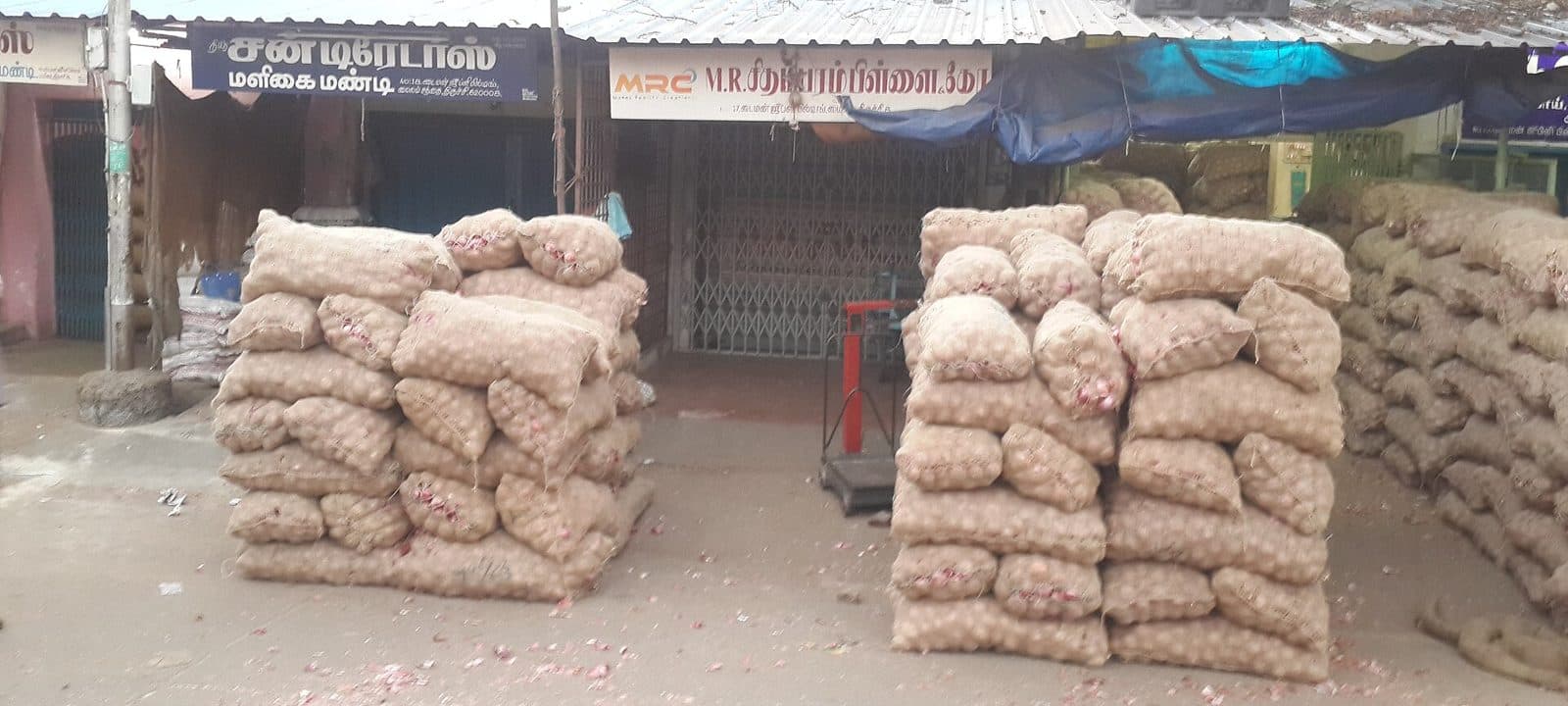
Indian onion trading starts at regulated APMC mandis, where farmers' lots are auctioned to licensed traders. Traders cure and store the onions, sort and grade them by size, pack them in mesh or jute bags, have them inspected for a phytosanitary certificate, and ship them in refrigerated or ventilated containers to importers abroad.
Step 1: Buying at the mandi
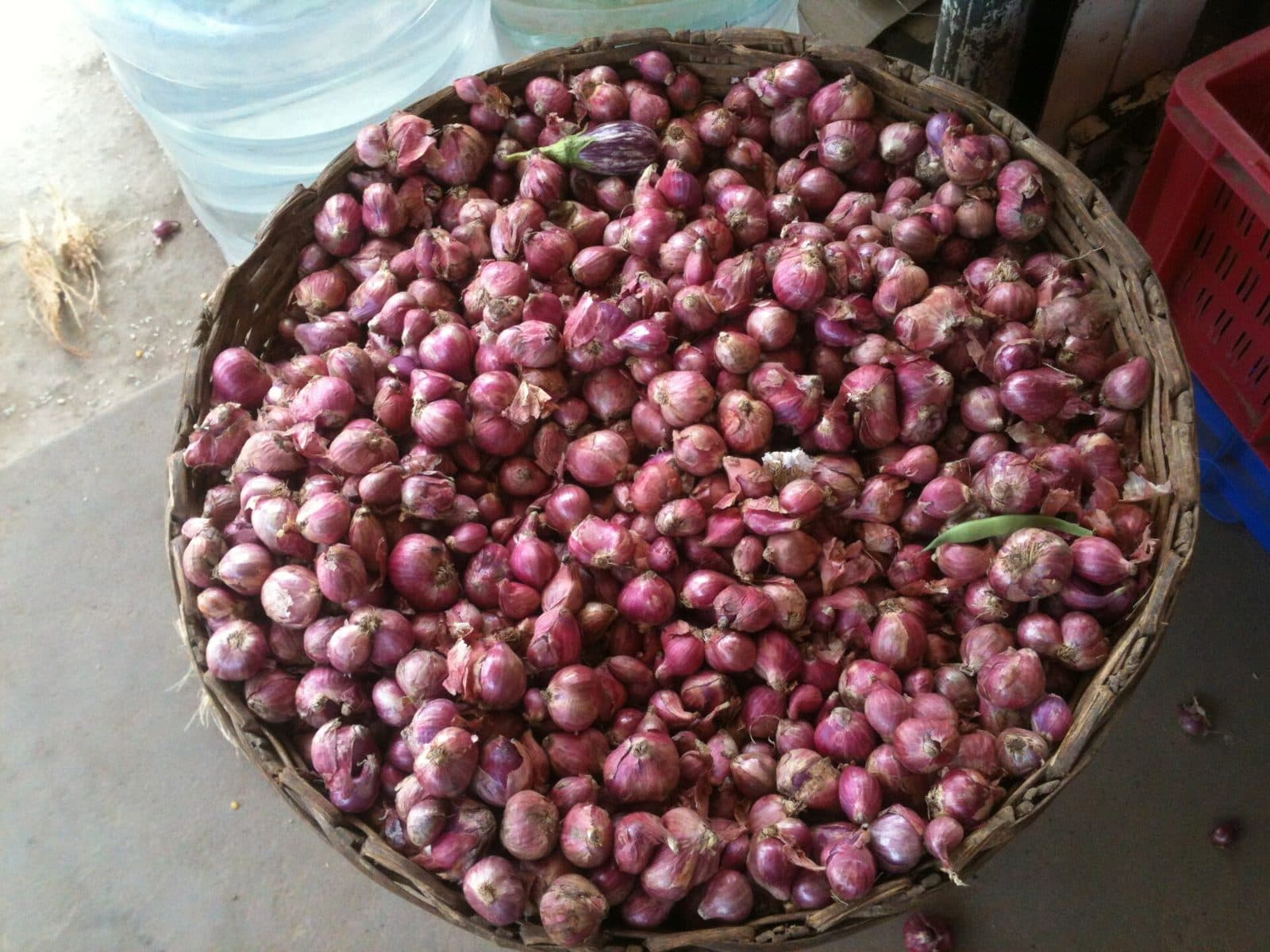
Lots are auctioned daily. The trader judges colour, size, firmness and dryness by eye and hand, and bids on the lots that will meet the buyer's specification.
Step 2: Curing and storage
Onions are cured so their skins and necks dry, then stored in ventilated sheds if they are not shipped straight away.
Step 3: Grading and packing
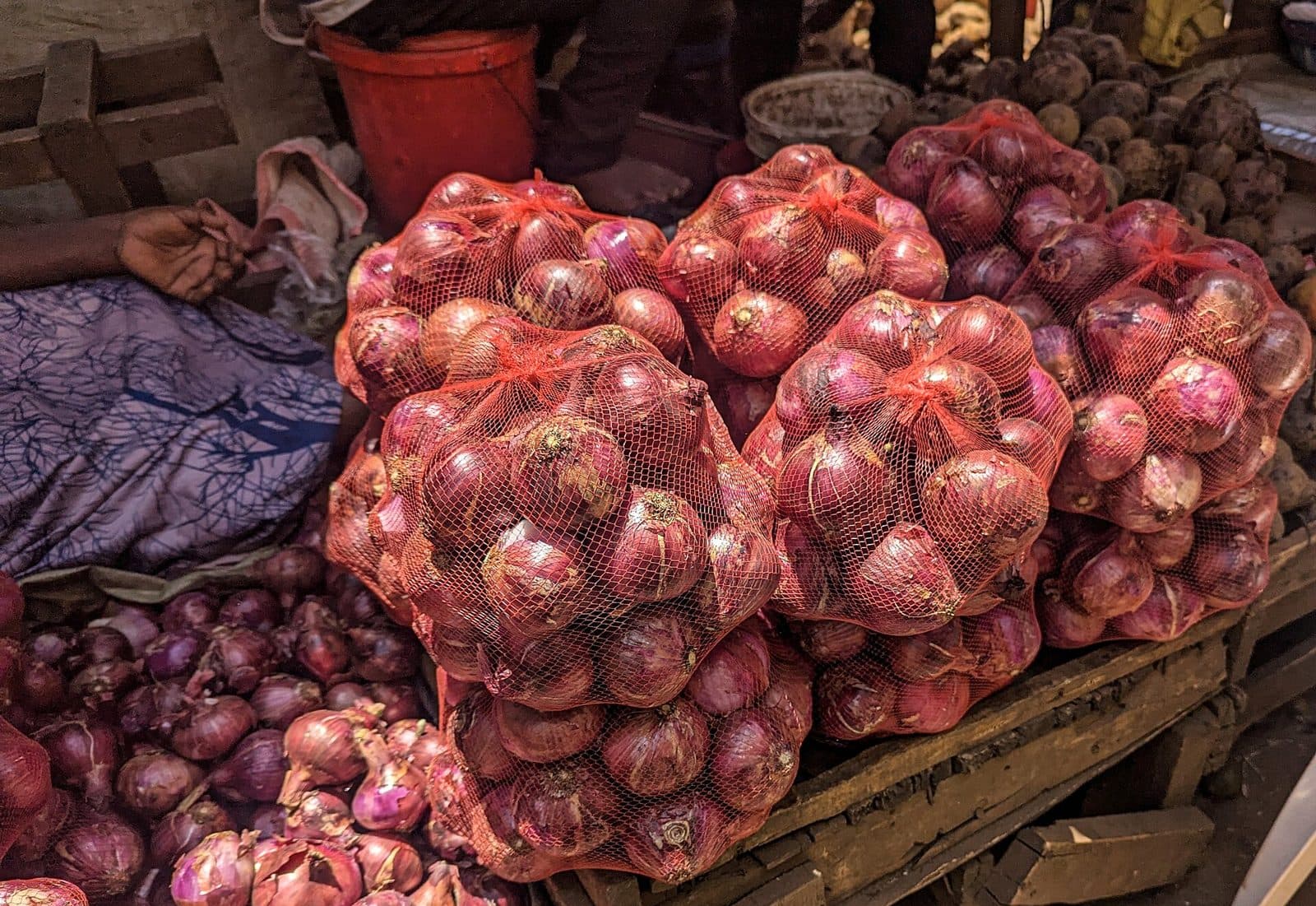
Onions are sorted to the contract size band, cleaned of loose skins and soil, and packed in mesh or jute bags of the agreed weight.
Step 4: Inspection and shipment
The lot is inspected for the phytosanitary certificate, stuffed with space for airflow, and shipped with a certificate of origin, invoice, packing list and bill of lading.
Frequently asked questions
What is an APMC?
An Agricultural Produce Market Committee — a regulated wholesale market where farmers sell produce to licensed traders, usually by auction.