Trade · 5 min read
Onion Sizes and Grades for Export: 25–40 mm, 40–60 mm, 45–65 mm and 55 mm+ Explained
An onion contract lives or dies on its size band. Here is what each one means.
Quick answer
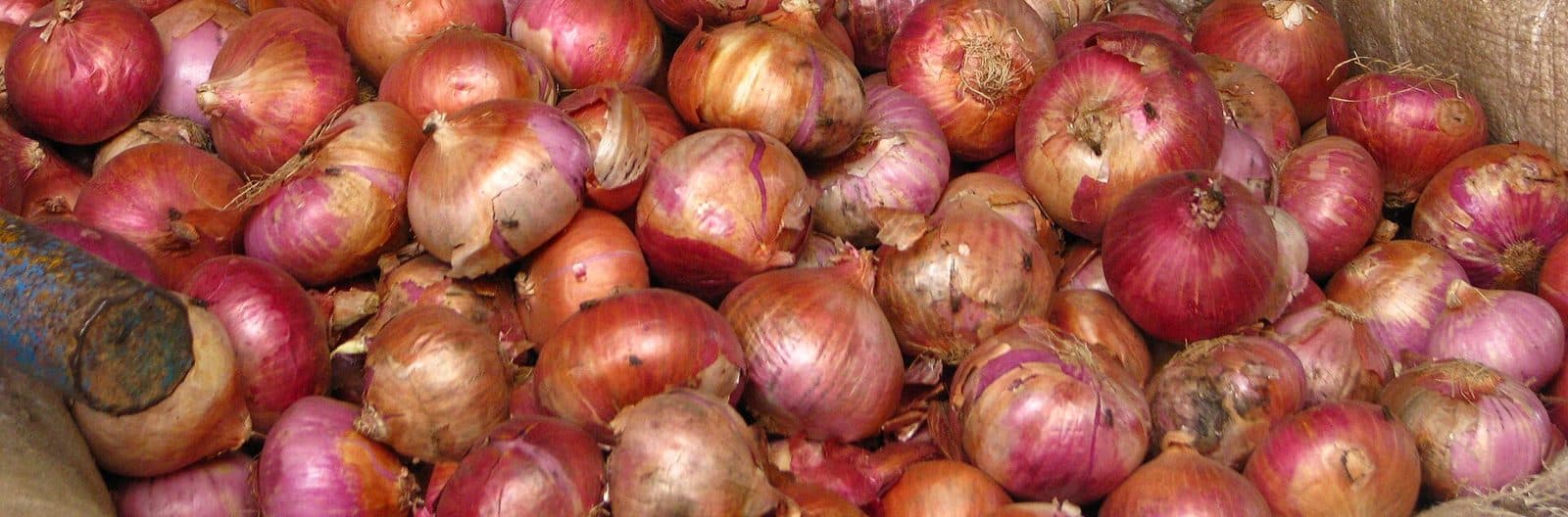
Export onions are graded by bulb diameter. Common bands are 25–40 mm for value and processing, 40–60 mm for food service and general wholesale, 45–65 mm for mainstream retail and 55 mm and above for premium retail. Small onions are usually 20–30 mm. Every lot should also be well cured, firm, dry-necked, free from rot and sprouting, and uniform in colour.
Which buyers use which size?
- 25–40 mm — processors, pickling and price-sensitive markets
- 40–60 mm — food service, restaurants and general wholesale
- 45–65 mm — supermarket and mainstream retail packs
- 55 mm and above — premium retail and buyers who want a uniform large bulb
- 20–30 mm small onion — South and Southeast Asian home cooking
What quality checks matter besides size?
- Curing — dry outer skins and dry, tight necks
- Firmness — no soft, hollow or bruised bulbs
- Freedom from rot, mould and sprouting
- Colour uniformity within the lot
- Clean bulbs, without soil or loose skins
How is grading checked?
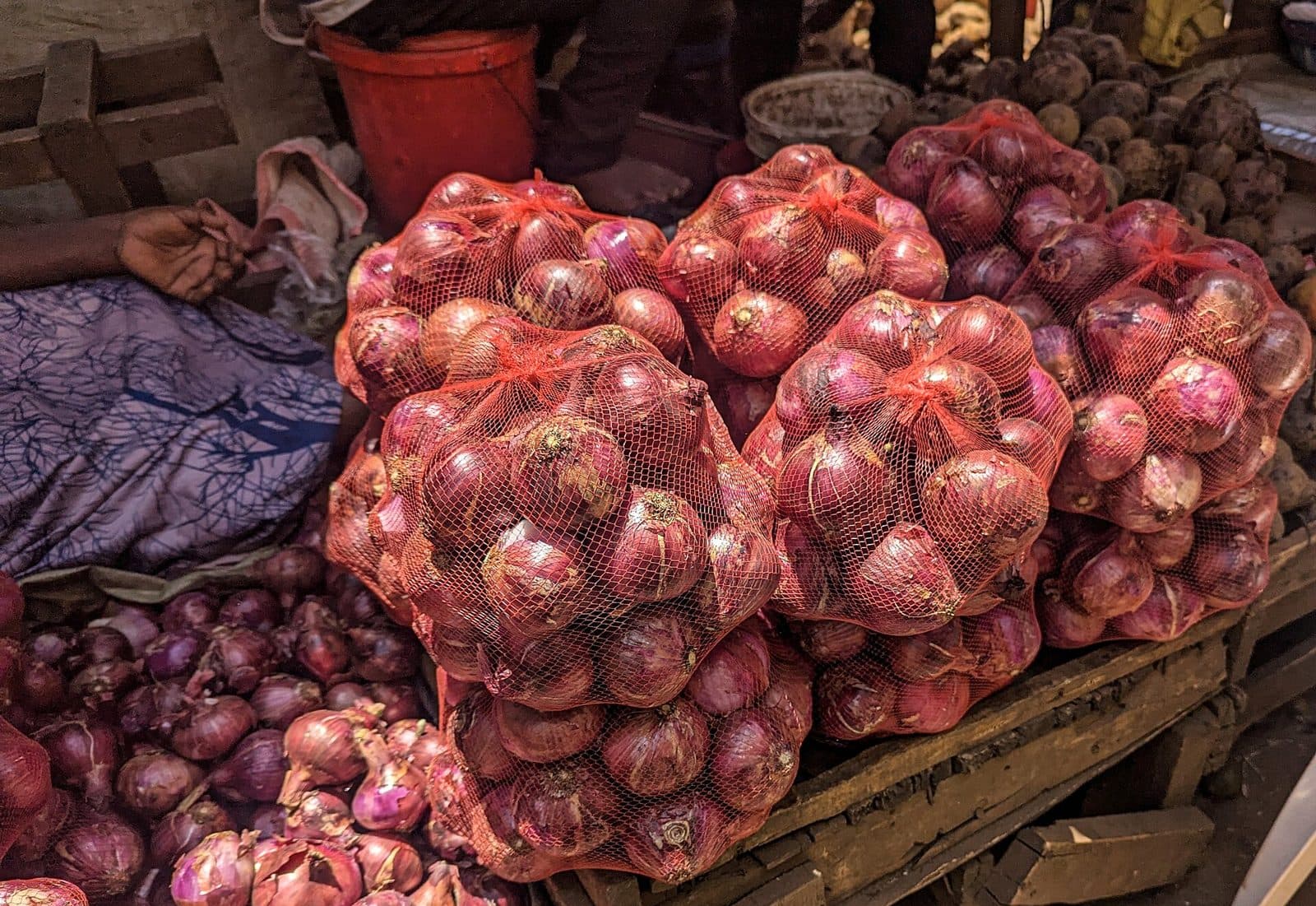
Onions are passed over grading screens or sorted by hand to the agreed band, then sampled before packing. Ask for a grading report with each lot, and for photographs of the packed bags before stuffing.
Frequently asked questions
Is a bigger onion always better?
No. Bigger onions sell for more in retail, but many food service and processing buyers prefer mid-sized bulbs for value and yield.