Trade · 6 min read
Shipping Onions in Containers: Reefer vs Ventilated, Load Weights and How to Avoid Spoilage
Onions are alive in the container. Ship them like it.

Quick answer
Onions are shipped in refrigerated (reefer) or ventilated containers so that heat and moisture can escape. A 40ft reefer typically carries around 28–29 tonnes of onions in mesh bags. To avoid spoilage, ship only well-cured onions, pre-cool where possible, stack bags so air can circulate, keep the agreed temperature and ventilation settings, and keep the voyage short.
Reefer or ventilated container?
Refrigerated containers hold a set temperature with fresh-air ventilation and give the most control, especially on longer voyages or in hot weather. Ventilated containers rely on airflow and suit shorter, cooler routes. The shipping line and exporter agree the settings before loading.
How many tonnes of onions fit in a container?
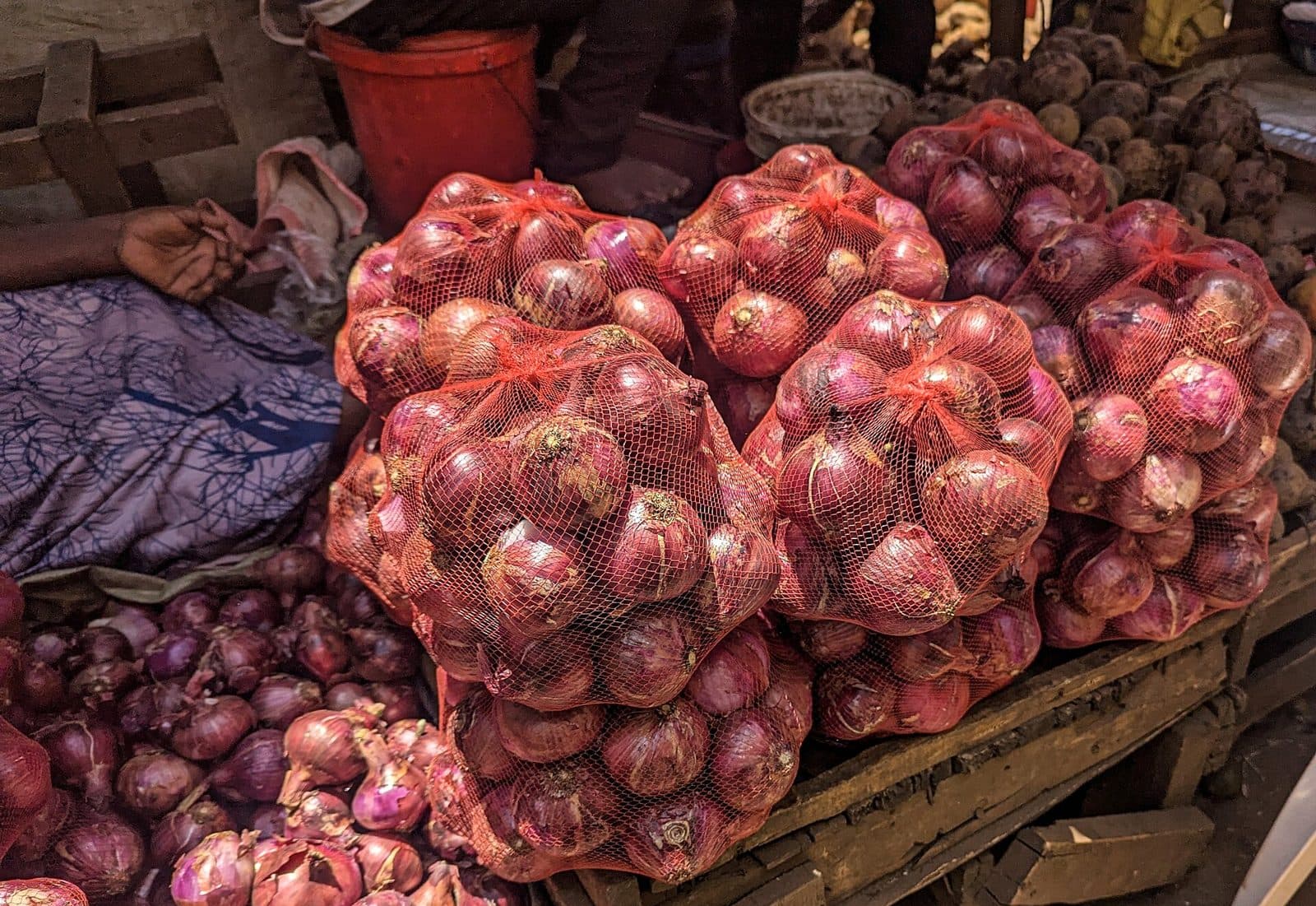
A 40ft reefer typically takes around 28–29 tonnes of onions in mesh bags, depending on bag size and stacking pattern. A 20ft container takes roughly half. The exact figure is confirmed against the carrier's weight limits before booking.
What causes onions to spoil in transit?
- Loading onions that were not fully cured
- Stuffing warm onions straight from the field or the sun
- Blocking airflow by stacking bags too tightly
- Wrong temperature or ventilation settings
- Long transhipment delays
Who arranges the container?
Under CFR or CIF the exporter books it. Versa Traders ships onions with its sister venture Versa Logistics, which books reefers on India's west-coast lanes to the Gulf and beyond.
Frequently asked questions
How long do onions last in a reefer container?
Well-cured onions held at the right settings travel well over typical voyages from India to Asia and the Gulf. Long transhipments raise the risk, so direct sailings are preferred.