Logistics · 6 min read
Port-to-Port Freight Charges Explained: Ocean Freight, Surcharges, THC and B/L Fees
A freight quote is a short list of lines. Know what each one is and you can compare any two quotes in a minute.
Quick answer
A port-to-port freight quote is made up of ocean freight, carrier surcharges such as fuel and currency adjustments, terminal handling charges at the loading port, and documentation charges such as the bill of lading and seal fees. Destination terminal handling and delivery-order fees are paid by the consignee at the other end.
What is ocean freight?
The base price for carrying the container between the two ports. For FCL it is charged per container; for LCL per cubic metre or per tonne, whichever is greater.
What are carrier surcharges?
Additions the carrier applies on top of the base rate. They change more often than the base rate, which is why quotes carry a validity date.
- Fuel (bunker) adjustment
- Currency adjustment
- Peak-season surcharge
- Equipment or congestion surcharges, when they apply
What are terminal handling charges?
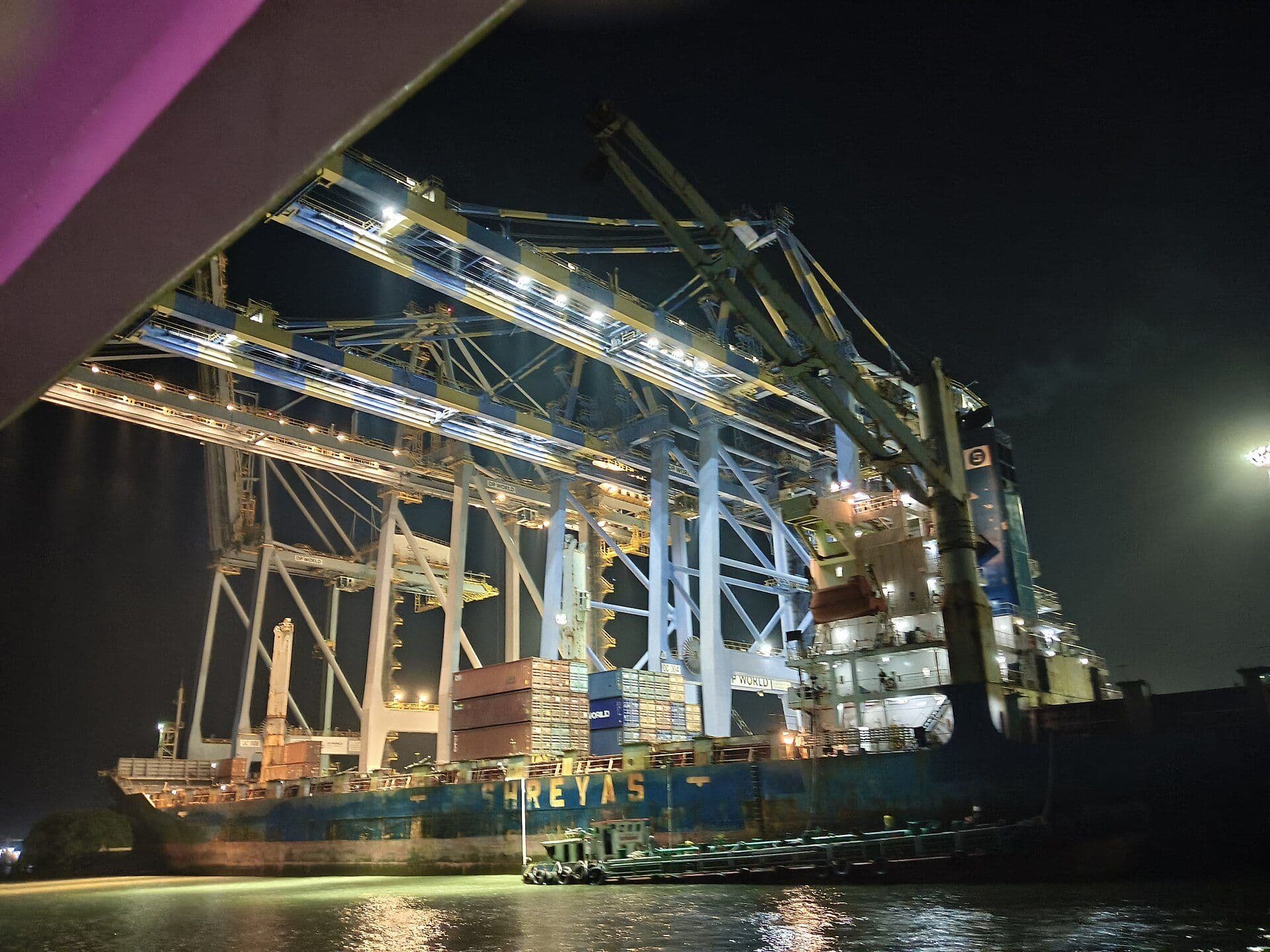
Terminal handling charges (THC) cover moving the container within the port terminal and loading or discharging it. Origin THC is paid at the loading port, destination THC at the discharge port.
Which documentation fees appear?
- Bill of lading fee
- Container seal fee
- Export documentation or manifest fee
- Telex release fee, if originals are surrendered at origin
Frequently asked questions
Why do two port-to-port quotes for the same route differ?
Usually because they use different carriers or sailings, or because one leaves out lines such as terminal handling or documentation. Compare totals for the same scope.
Who pays destination charges?
The consignee, under FOB, CFR and CIF terms.